LG fabriek in India lekte een dodelijk gas: 12 doden en een groot aantal zieken: ‘corruptie in werking……’

Het was weer eens zover in India, in een fabriek van LG* in de stad Visakhapatnam, vond in de nacht van 7 mei een ramp plaats in haar fabriek waar plastic wordt geproduceerd……….. Een lek zorgde ervoor dat een uiterst gevaarlijk zenuw aantastend gas ontsnapte en dit kostte aan 12 bewoners in de buurt het leven, plus zoals je begrijpt honderden (nog) niet dodelijke slachtoffers….. (het aantal doden zou intussen al zijn opgelopen, kan echter geen cijfers vinden op het net….)
De fabriek was door een vakbond al gewezen op het slechte onderhoud en het gevaar dat dit oplevert voor de werknemers en omwonenden (in een straal van 3 kilometer rond de fabriek zijn slachtoffers gevallen), wat door de topgraai leiding werd gebagatelliseerd….. Een alarmsysteem dat af had moeten gaan door dat lek werkte eenvoudigweg niet……
Bovendien is de fabriek al meer dan 10 jaar illegaal bezig, daar het zonder vergunning werd uitgebreid en daarbij de milieuregels heeft overtreden…… (corruptie zorgt ervoor dat deze bedrijven zich niet aan de regels behoeven te houden; zo meer daarover)

De zaak doet sterk denken aan de ramp bij Union Carbide in het Indiase Bhopal, waarbij duizenden mensen omkwamen en die een groot aantal mensen voor het leven chronisch ziek maakte….. 2.000 mensen overleden destijds vrijwel onmidddellijk door deze ramp, waar er later nog eens 6.000 aan moesten worden toegevoegd…… Het aantal chronisch zieken was en is enorm en tot op de dag van vandaag worden kinderen met misvomingen geboren (als gevolg van die ramp op 3 december 1984….)….. De naam van deze chemiereus werd daarna veranderd in Dow Chemical en ondanks de overduidelijke schuld voor die ramp, heeft het bedrijf een schandalig lage schadevergoeding uitgekeerd, waar velen die zelfs nog niet hebben ontvangen…..

Ook het ongeluk in Bhopal was te danken aan uitermate slecht onderhoud en het lak hebben aan regels (ook voor het milieu) die in acht moeten worden genomen door zo’n bedrijf….. Grote westerse bedrijven hebben juist daarom hun productie verplaatst naar India en landen als Indonesië, Bangladesh en Vietnam: weinig of geen regelhandhaving, plus uiteraard ‘het bijkomende voordeel’ van bijzonder lage salarissen en slechte of in het geheel geen bescherming voor de slavenarbeiders in die fabrieken….)….. Kijk dat noemt men ‘globalisme’ en dan vindt men het vreemd dat een gigantisch aantal mensen deze vorm van globalisering afwijzen en daar tegen tekeer gaan als de rijke landen weer eens overleggen…..

Deze tegenstanders zijn in feite de werkelijke globalisten, mensen die volkomen terecht vinden dat iedereen op onze kleine aarde gelijkwaardig moeten worden behandeld, waar de reguliere westerse media deze mensen afschilderen als relschoppers, terwijl diezelfde media de grote misadigers als die van LG, Dow Chemical en Unilever (grote palmolie gebruiker) de handen boven het hoofd houden…..

De grote westerse berdrijven zijn bovendien hoofdverantwoordelijk voor de enorme corruptie in arme landen, daar ze hierbij ‘garen kunnen spinnen’** en zich niet druk hoeven te maken over regels die in het westen wel gelden……

Lees de petitie van het Care2 team en teken deze ajb (en geeft het door!):

A Gas Leak Killed 12 People and Made Hundreds More Sick, But It Could Have Been Prevented!

  • ontvanger: India’s Central Bureau of Investigation
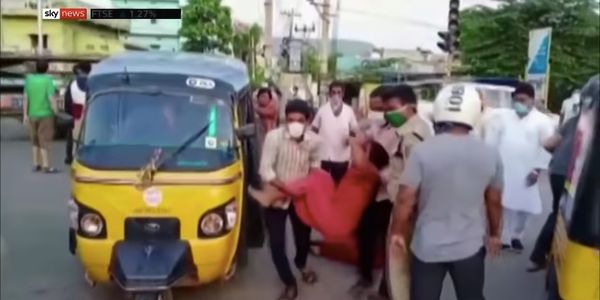
In the middle of the night on May 7, 2020 residents of Visakhapatnam in India’s Andhra Pradesh state started choking in their sleep. Those who remember what happened recount a white mist that smelled and tasted like death creeping into their homes, making them gag and their eyes burn. That was how the “accident” began, and it ended having killed 12 people and made hundreds more ill. As it turns out, the town of Visakhapatnam is home to a plastics factory, owned by LG Corp., from which a dangerous neurotoxin leaked — poisoning anyone within a three kilometer radius, or about two miles. Now it has come to light that this plastics factory was not up to code, and should not have been operating in the first place.

We must demand justice for the victims of this leak, who were also victims of corporate greed and political apathy. Sign the petition asking for a federal investigation into why LG’s plastics factory was allowed to operate without clearance!

The noxious gas leak was just the first step in a series of horrible accidents that could have been prevented. Sirens at the factory malfunctioned and failed to go off when the leak began. The factory had also been brushing off real concerns raised by its union about safety protocols and “poor maintenance of equipment,” which likely led to the deadly leak.

LG preferred to pinch pennies when it came to the safety of their employees, who ended up paying the ultimate price. The port town of Visakhapatnam houses many factory workers and their families — two children were among the dead after the accident. During the accident, stray and family dogs lay unconscious or dead in the street. Time will tell how the escape of poison gas will affect India’s complex and fragile ecosystems.
The LG plastics factory was operating illegally for more than 10 years. Due to expansion of their operations, LG was required by law to file for a federal environmental clearance. But they never did. Instead, they decided to illegally cut corners and only obtain permits on a state level — which require far fewer safety checks and assessments. Now, 12 people are dead in part because this industrial heavyweight was too lazy and cheap to ensure their safety.

This cannot stand. LG prioritized monetary gain over human lives and the health of our planet, and they must be held responsible. Demanda federal investigation into why this LG factory was allowed tooperate without federal permits, so that they are held accountableand also so that this dangerous loophole is finally closed!

==============================
* LG staat nu voor Lucky Goldstar, terwijl dit bedrijf aanvankelijk alleen was gericht op het fabriceren van chemische stoffen, de naam bij oprichting in 1947 was dan ook Lucky Chemical Industrial Co, dit onderdeel is nu bekend onder de naam LG Chemical. In 1958 richtte het bedrijf zich ook op huishoudelijke electronica. Philips heeft een tijd samengewerkt met het bedrijf voor de fabricage van beeldbuizen en later LCD schermen, waar Philips in 2007 een eind aan maakte.

** Over ‘garen spinnen’ gesproken: zie ook de rampen in textielfabrieken in landen als India en Bangladesh, waar al zovelen het leven verloren door brand in die fabrieken, daar nooduitgangen waren geblokkeerd….. Klik voor meer berichten daarover op het label ‘brand in textielfabriek’, direct onder dit bericht.

Voor berichten over de ramp in Bhopal, of over Dow Chemical en/of Union Carbide, klik op het label met deze naam, direct onder dit bericht.
Shell en Exxon lobbyen voor het behoud van eenmalige plasticverpakkingen

Sharon Lerner heeft op The Interecept een uitgebreid artikel geschreven over de enorme plasticberg waar de wereld in dreigt te verstikken en de pogingen van o.a. de oliemaffia om verboden tegen gebruik van eenmalig plastic en andere plasticproducten tegen te gaan…
De manier waarop deze bedrijven e.e.a. doen is ernstige volksverlakkerij, zo bestaat er een initiatief van bedrijven die bij de productie van plastic zijn betrokken, waarmee men het volk wil laten geloven dat men er alles aan doet om plastic uit het milieu te krijgen……
Zo is er een organisatie met de naam ‘A Bag’s Life’, die een studentenproject tot winnaar heeft uitgeroepen voor een doos waarop tanden te zien zijn in de vorm van driehoeken met de woorden ‘Feed Me’ De studenten die het project wonnen kregen ieder $ 100.00 en de goegemeente gelooft dat ‘A Bag’s Life’, een onderdeel van de American Progressive Bag Allience, werkelijk een organisatie is die zich inzet tegen het gebruik van plastic…… Terwijl de American Progressive Bag Allience een organisatie is die in het leven werd geroepen door de Plastic Industry Association, een lobbyorganisatie van: Shell Polymers, LyondellBasell, Exxon Mobil, Chevron Phillips, DowDuPont en Novolex…. En beste bezoeker deze organisatie is redelijk succesvol in de VS…..
Ook hier doen bedrijven als Shell, DSM en Unilever alsof ze ‘op het rechte groene pad zijn’, echter in werkelijkheid doet men het tegenovergestelde, terwijl de wereld zoals gezegd bijna letterlijk stikt in plastic….. Zo werd een aantal maanden geleden bekend gemaakt dat bijna iedere aardbewoner microplastics in het lichaam heeft……..
Lerner geeft verder een inkijk in de recyclingsindustrie en geeft met cijfers aan dat er maar zeer weinig werkelijk wordt gerecycled (lelijk anglicisme) en als klap op de vuurpijl blijken veel gerecyclede producten zwaar gif te bevatten, stoffen die o.a. vrijkomen bij het recyclen van plastic…….
Ook aandacht voor het verschepen van miljoenen tonnen aan westers consumentenplastic, dat zogenaamd wordt gerecycled in landen als China en de Filipijnen, waar het ‘recyclen’ bestaat uit plastic verbranden, begraven of het openlijk op divers plekken te storten……. Uiteraard gebeurt dit in de buurt waar arme mensen wonen, ofwel die betalen het gelag in de vorm van een slechte gezondheid en een vroegtijdige akelige dood……..
Lees het ontluisterende artikel van Lerner en geeft het door, tijd dat ook onze politici stoppen met liegen en eindelijk wat doen, zoals hare D66 leeghoofdigheid Stientje van Veldhoven, die tot 3 keer toe werd gekozen tot groenste politicus van het jaar, maar die zo gauw ze aan het bewind kwam de ‘terminologie van haar voorgangers’ (‘waar ze zo tegen heeft gevochten…’) overnam en stelde dat de industrie het zelf wel kan regelen….. Welnu van Veldhoven, ook in het hieronder opgenomen artikel kan jij lezen hoe geweldig e.e.a. verloopt, smerige oplichter! Van Veldhoven wilde al jaren statiegeld op kleine petflesjes en blik, iets waar de VVD mordicus tegen is, en zoals gezegd: net aangetreden kwam van Veldhoven met het platgetreden cliché van haar voorgangers………
Tot slot wat betreft mijn schrijven hier: iedereen die meewerkt aan het oplichten van het volk wat betreft plastic (en luchtvervuiling) zou strafrechtelijk moeten worden vervolgd en voor jaren de bak in moeten draaien en dan meteen via de ‘Pluk-ze’-wetgeving alle kapitaal van deze figuren confisceren en gebruiken voor (echte) milieumaatregelen…… Wat een godvergeten geteisem, gadver!!! (vergeet niet dat Exxon en Shell respectievelijk in de 70er en 80er jaren van de vorige eeuw uit eigen wetenschappelijk onderzoek al wisten dat de verbranding van fossiele brandstoffen de klimaatverandering heeft veroorzaakt, waar deze bedrijven dit niet alleen onder de pet hielden, maar zelfs wetenschappers inhuurden om dit te ontkennen……. Strafrechtelijke vervolging meer dan waard!!)

WASTE ONLY

How the Plastics Industry Is Fighting to Keep Polluting the World

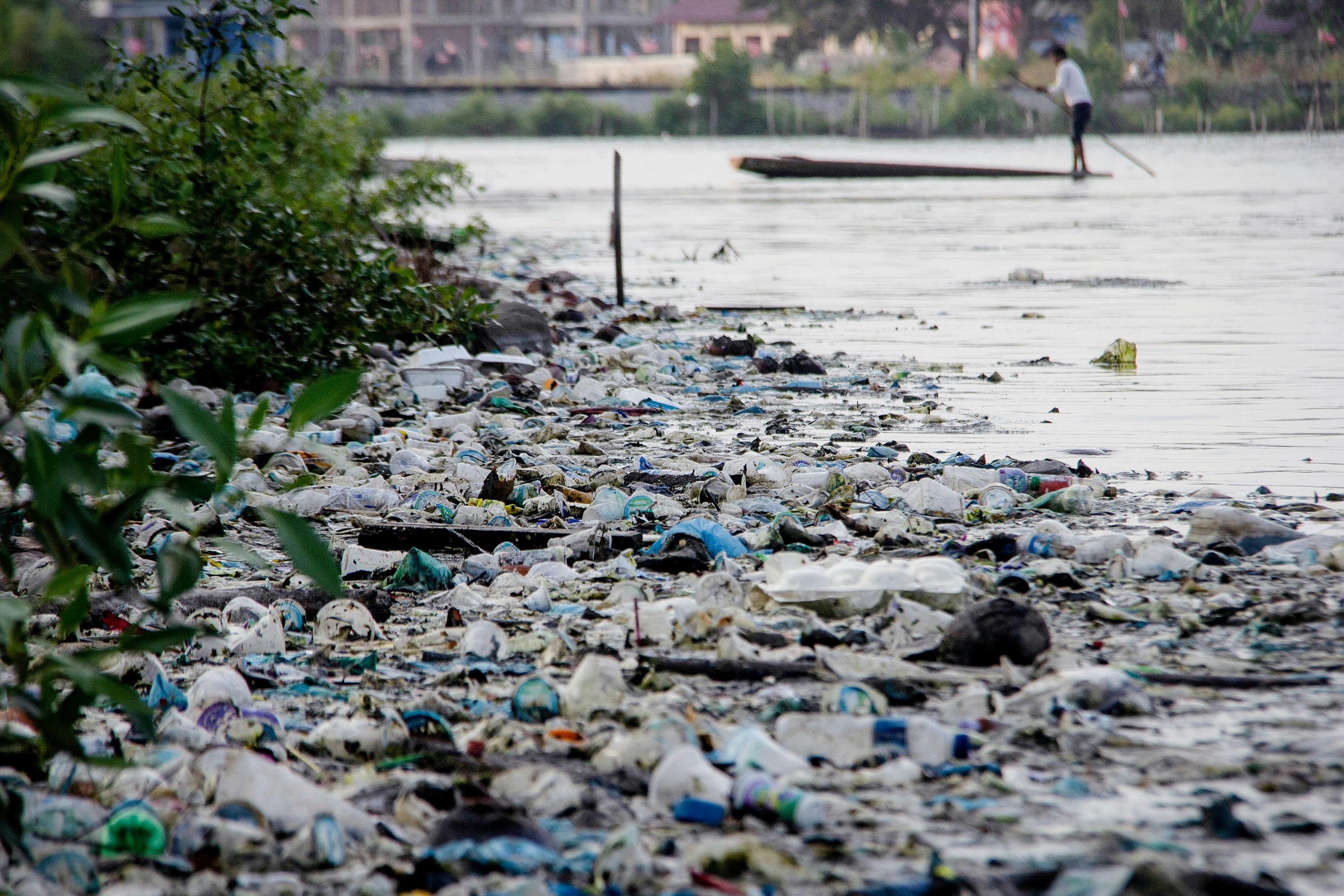
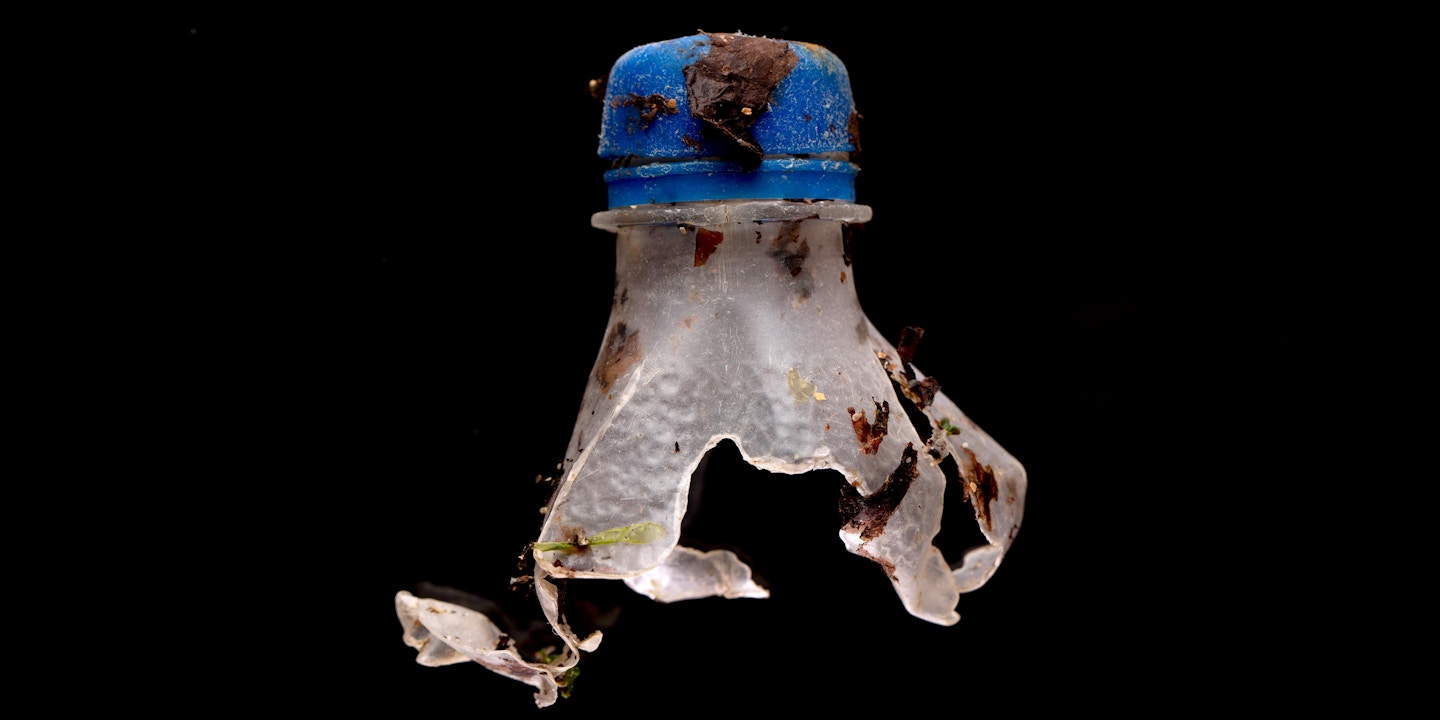
UNSPECIFIED: In this illustration taken on May 30, 2019 a selection of plastics is displayed that were found, on May 26, 2019, within a few metres on Mothecombe Beach at the mouth of the Erme Estuary in South Devon. At a glance Mothecombe, appears a spotless white sandy beach, but looking closely reveals a plethora of degraded micro plastic detritus woven into and buried beneath the seaweed, an important feeding ground for wading birds. Indistinguishable pieces of plastic, tin cans, fishing wires, hooks, and fragments of clothing materials were all found. According to the United Nations Environment Programme (UNEP), at current rates of pollution, there will likely be more plastic in the sea than fish by 2050. In December 2017 Britain joined the other 193 UN countries and signed up to a resolution to help eliminate marine litter and microplastics in the sea. It is estimated that about eight million metric tons of plastic find their way into the world's oceans every year, and that between 1.15 million to 2.41 million tonnes of plastic are entering the ocean each year from rivers. Once in the Ocean plastic can take hundreds of years to degrade, all the while breaking down into smaller and smaller 'microplastics,' which can be consumed by marine animals, and find their way into the human food chain. (Photo by Dan Kitwood/Getty Images)
A portion of plastic bottle found on Mothecombe Beach at the mouth of the Erme Estuary in South Devon, England, on May 30, 2019. Photo: Dan Kitwood/Getty Images
Sharon Lerner July 20 2019, 1:30 p.m.
THE STUDENTS AT Westmeade Elementary School worked hard on their dragon. And it paid off. The plastic bag receptacle that the kids painted green and outfitted with triangular white teeth and a “feed me” sign won the students from the Nashville suburb first place in a recycling box decorating contest. The idea, as Westmeade’s proud principal told a local TV news show, was to help the environment. But the real story behind the dragon — as with much of the escalating war over plastic waste — is more complicated.
The contest was sponsored by A Bag’s Life, a recycling promotion and education effort of the American Progressive Bag Alliance, a lobbying group that fights restrictions on plastic. That organization is part of the Plastics Industry Association, a trade group that includes Shell Polymers, LyondellBasell, Exxon Mobil, Chevron Phillips, DowDuPont, and Novolex — all of which profit hugely from the continued production of plastics. And even as A Bag’s Life was encouraging kids to spread the uplifting message of cleaning up plastic waste, its parent organization, the American Progressive Bag Alliance, was backing a state bill that would strip Tennesseans of their ability to address the plastics crisis. The legislation would make it illegal for local governments to ban or restrict bags and other single-use plastic products — one of the few things shownto actually reduce plastic waste.
A week after Westmeade’s dragon won the contest, the APBA got its own reward: The plastic preemption bill passed the Tennessee state legislature. Weeks later, the governor signed it into law, throwing a wrench into an effort underway in Memphis to charge a fee for plastic bags. Meanwhile, A Bag’s Life gave the Westmeade kids who worked on the bag monster a $100 gift card to use “as they please.” And with that, a minuscule fraction of its vast wealth, the plastics industry applied a green veneer to its increasingly bitter and desperate fight to keep profiting from a product that is polluting the world.
A Bag’s Life is just one small part of a massive, industry-led effort now underway to suppress meaningful efforts to reduce plastic waste while keeping the idea of recycling alive. The reality of plastics recycling? It’s pretty much already dead. In 2015, the U.S. recycled about 9 percent of its plastic waste, and since then the number has dropped even lower. The vast majority of the 8.3 billion metric tons of plastic ever produced — 79 percent — has ended up in landfills or scattered all around the world. And as for those plastic shopping bags the kids were hoping to contain: Less than 1 percent of the tens of billions of plastic bags used in the U.S. each year are recycled.
This is not to say that we shouldn’t try to properly dispose of the array of toys, single-use clamshells, bottles, bags, takeout containers, iced coffee cups, straws, sachets, yogurt tubs, pouches, candy bar wrappers, utensils, chip bags, toiletry tubes, electronics, and lids for everything that passes through our lives daily. We have to. But we are well past the point where the heartfelt efforts of schoolchildren or anyone else on the consumer end can solve the plastics problem. It no longer matters how many hoots we give. There is already way too much plastic that won’t decompose and ultimately has nowhere to go, whether it’s mashed into a dragon container or not.
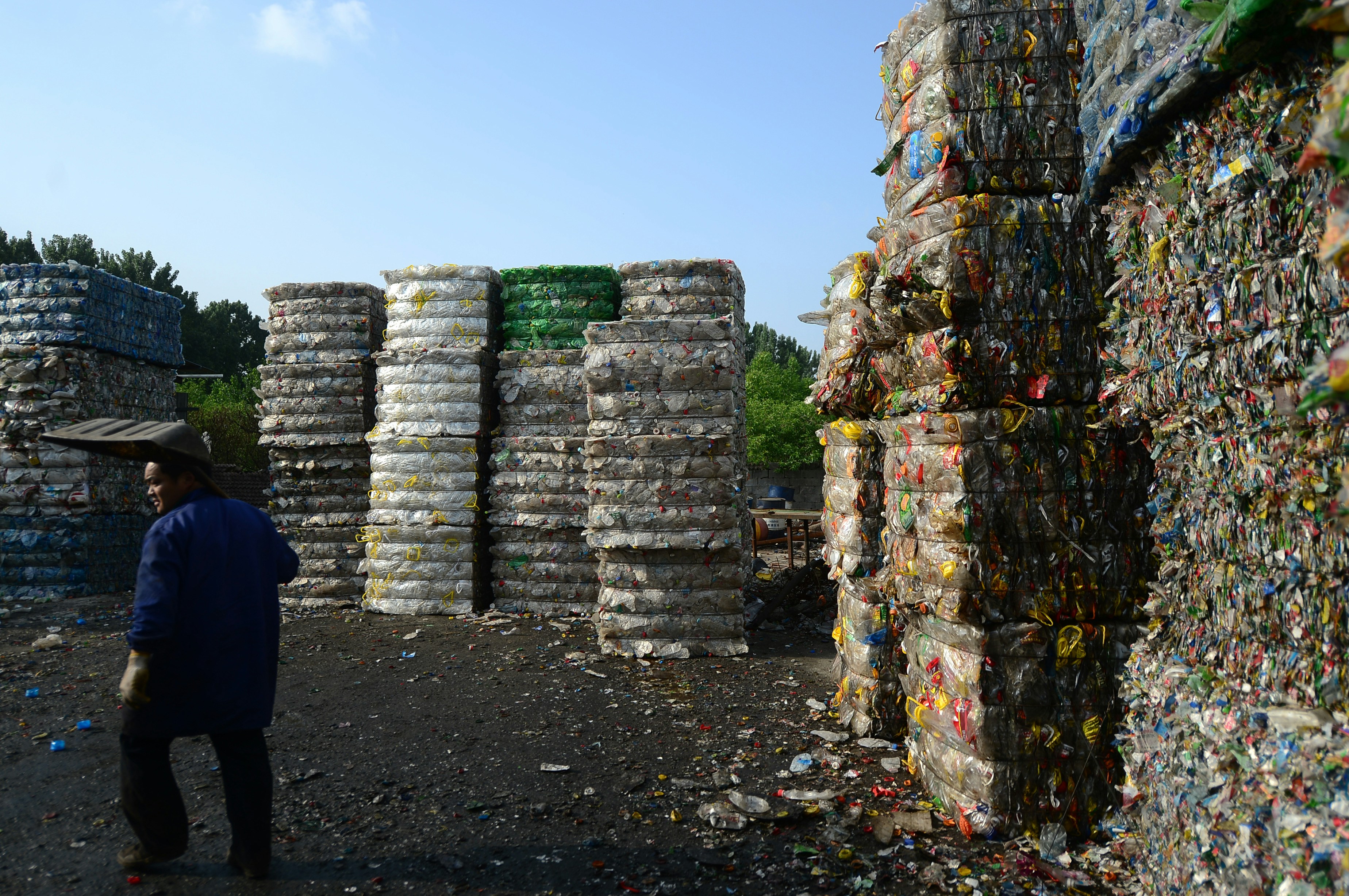
A Chinese worker labors in front of high piles of plastic bottles at the plastic bottle recycling station, which trapped a man, in Ji'nan city, east China's Shandong province, 4 May 2017.
A Chinese worker walks past piles of plastic bottles at a plastic bottle recycling station in Ji’nan city, in east China’s Shandong province, on May 4, 2017.Photo: Imaginechina via AP Images

China’s National Sword

China’s decision in 2017 to stop receiving the vast majority of plastic waste from other countries blew the flimsy lid off our dysfunctional recycling system. That year, when the Chinese government announced the National Sword policy, as it’s called, the U.S. sent 931 million kilograms of plastic waste to China and Hong Kong. The U.S. has been offloading vast bundles of scrap this way since at least 1994, when the Environmental Protection Agency (EPA) began tracking plastics exports. The practice has served to both mask the mounting crisis and absolve U.S. consumers of guilt. But in fact, much of the “recycled” plastic scrap that the U.S. sent to China appears to have been burned or buried instead of being refashioned into new products.
Although China’s turnabout made the failure of the plastics recycling system suddenly and undeniably obvious, in truth the plastics problem has been with us as long as plastic has. Over the decades, as production has grown exponentially, we’ve never managed to repurpose even one-tenth of our plastic waste. Since the EPA began tracking plastics recycling in 1994, when the U.S. recycled less than 5 percent, the rate went up only about 5 percent, peaking at 9.5 percent in 2014.
Although there is no data before 1994, the rate was almost certainly even lower then. Some of that failure can be blamed on careless consumers, but much of the waste that is dutifully put into recycling bins and bags also gets landfilled and burned because there’s no market for it.
The plastics problem has been growing exponentially for decades. In 1967, when Dustin Hoffman’s character in “The Graduate” was being advised to go into plastics, less than 25 million tons were produced each year. Even back then, the companies that made the plastic were already aware of the growing waste problem. Yet by 1980, production had doubled. Ten years later, it doubled again to 100 million tons, surpassing the amount of steel produced globally. Today, the plastics industry, estimated to be worth more than $4 trillion, generates more than 300 million tons of plastic a year according to the most recent records — nearly half of which is for single-use items, meaning that it will almost instantly become trash.
With the institution of China’s new policy in January 2018, the extent of the plastic waste crisis became dramatically more visible. Around the world, bales of used plastic that just a year earlier would have been destined for China began piling up. In the U.S., some cities have stopped their plastics recycling programs altogether.
Without good alternatives, the U.S. is now burning six times the amount of plastic it’s recycling — even though the incineration process releases cancer-causing pollutants into the air and creates toxic ash, which also needs to be disposed of somewhere. And poor people are stuck with the worst consequences of the plastics crisis. Eight out of 10 incinerators in the U.S. are in communities that are either poorer or have fewer white people than the rest of the country, and residents living near them are exposed to the toxic air pollution their combustion produces.
Globally, too, the problem is being dumped on the less fortunate and less powerful. Because the U.S. can no longer ship its plastic waste to China, much of that waste is going to Turkey, Senegal, and other countries that are ill-equipped to deal with it. In May, the most recent month for which data is available, the U.S. sent 64.9 million kilograms of plastic scrap to 58 countries. Thailand, India, and Indonesia — where more than 80 percent of waste is mismanaged, according to data published in Science — are among the countries that now find themselves besieged with U.S. plastic that’s being illegally dumped and burned.
LHOKSEUMAWE, ACEH, INDONESIA - 2019/03/22: A reservoir area with various types of marine fish seen contaminated with plastic waste in Lhokseumawe, Aceh province, Indonesia. Based on the records 25 cases of marine biota in Indonesia were affected by macroplastic waste and microplastic waste from human activities. And from Greenpeace Indonesia's data, waste production in Indonesia reaches 65 million tons per year, 10.4 million tons or 16 percent is plastic waste. (Photo by Zikri Maulana/SOPA Images/LightRocket via Getty Images)
A reservoir contaminated with plastic waste in Lhokseumawe, Indonesia, on March 22, 2019. Photo: Zikri Maulana/SOPA Images/LightRocket via Getty Images

All the Plastics in the Seas

The terrifying news about plastic seems to be as inescapable as the plastic itself, tiny bits of which are now almost everywhere. One study found these “microplastics” in the Pyrenees mountain air 100 miles from the nearest city. Another found that microplastics are being turned into sewage sludge and spread on fields that grow food. And, as we know from the plastic-filled whales that regularly wash up dead, the oceans are awash in plastic waste and now contain some 150 million tons of the stuff — a mass expected soon to surpass the weight of all the fish in the seas.
We humans also have plastic lodged in our bodies. The substance often sold to us as protection from contamination is in both food and water.
Bottled water, sales of which are increasing in part because people are seeking alternatives to contaminated local water supplies, now contains plastic as well. A 2018 study found that 93 percent of bottled water samples contained microplastics. While all the big brands tested positive for microplastics, the worst was Nestlé Pure Life, which claims that its water “goes through a 12-step quality process, so you can trust every drop.”
It’s worth noting that in both 2017 and 2018, Nestlé ranked in the top three among brands whose plastic trash was most often collected in global cleanup efforts conducted by the environmental group Break Free From Plastic.
The confluence of terrible news has taken public outrage over plastic to a new level. Once regarded mostly as an eyesore or a nuisance, plastic waste is now widely understood to be a cause of species extinction, ecological devastation, and human health problems. And because more than 99 percent of plastic is derived from oil, natural gas, and coal — and because its destruction also uses fossil fuels — environmental groups now recognize plastic as a major contributor to climate change. Naturalist David Attenborough has likened the shift in public opinion over plastics to the process through which the public reached a consensus on the harms of slavery.
Between extraction, refining, and waste management, the production and incineration of plastics will add more than 850 million metric tons of greenhouse gases to the atmosphere this year alone — an amount equal to the emissions from 189 500-megawatt coal power plants, according to a report from the Center for International Environmental Law.
Recycled plastics — once seen as a sign of environmental virtue — is increasingly recognized as posing threats to our health. Plastics contain additives that determine its properties, including stability, color, and flexibility. Most of the thousands of these chemicals aren’t regulated, but it’s clear that some of those additives, which end up in recycled plastics, are dangerous. One studyfound that half of recycled plastics in India contained a flame retardant associated with neurological, reproductive, and developmental harms.
Black plastic, used in everything from children’s toys to kitchen utensils, food packaging, cellphone cases, and thermoses, appears to be particularly dangerous. The plastic is often sourced from recycled electronics that contain phthalates, flame retardants, and heavy metals, such as cadmium, lead, and mercury. Even at very low levels, these chemicals can cause serious reproductive and developmental problems.
But most of the additives aren’t tracked or well studied. “The industry has no idea what they’re putting in the plastic and who’s putting it in,” said Andrew Turner, a British chemist who recently found toxic chemicals in 40 percent of the black plastic toys, thermoses, cocktail stirrers, and utensils he tested. In some plastic, he found the chemicals present at 30 times safety standards set by governments.
Even chemicals that are regulated often have limits set for electronics but not for recycled products. “You’ve got something that wouldn’t be compliant with the regulations as an electric item because its levels are too high, but because it’s turned into a fork, there’s nothing to stop it from being used,” Turner said. Antimony, which Turner found in food containers, toys, and office supplies, “is restricted in drinking water, but not in electrical waste.” Turner and Zhanyun Wang, another scientist I spoke with who studies chemical additives to plastics, told me that they no longer use black plastic utensils. “Given the option, I’d prefer something white or clear,” said Turner, adding that he tries to avoid utensils made of any kind of plastic.
The solution to this global mess clearly has to be much bigger than personal cutlery choices. Among the organizations demanding that we push past the idea of recycling and require corporations to limit plastics production are Greenpeace, the Surfrider Foundation, As You Sow, the Rainforest Alliance and 5Gyres, an organization started by a couple who sailed across the Pacific Ocean on a raft made out of discarded bottles. Fueled by a spike in consumer frustration with products that make them complicit in the problem, plastic-free restaurants and grocery stores are now emerging.
Taxes, bans, and fees on plastic products have been catching on around the world. In March, the European Union voted to ban single-use plastics by 2021. In June, Canada followed suit, with Prime Minister Justin Trudeau vowing to not just ban single-use plastics such as bags, straws, and cutlery, but also to hold plastics manufacturers responsible for their waste. One hundred and forty-one countries, including China, Bangladesh, India, and 34 African countries, have implemented taxes or partial bans on plastics.
In the U.S., the Trump administration has worked against international efforts to crack down on plastic waste, so cities and towns are leading the way. While only eight states have enacted plastic restrictions, more than 330 local plastic bag ordinances have passed in 24 states. Some federal lawmakers have also recognized that federal action is necessary to beat back the mounting tide of plastic. “Plastics recycling is not a realistic solution to the plastic pollution crisis. Most consumer plastics are economically impractical to recycle based on market conditions alone,” Rep. Alan Lowenthal and Sen. Tom Udall wrote in a letter to President Donald Trump in June, noting that the “spread of single-use plastic products has led to widespread pollution of plastic in the U.S. and has caused a growing financial burden on state agencies, local governments and taxpayers for remediation.”
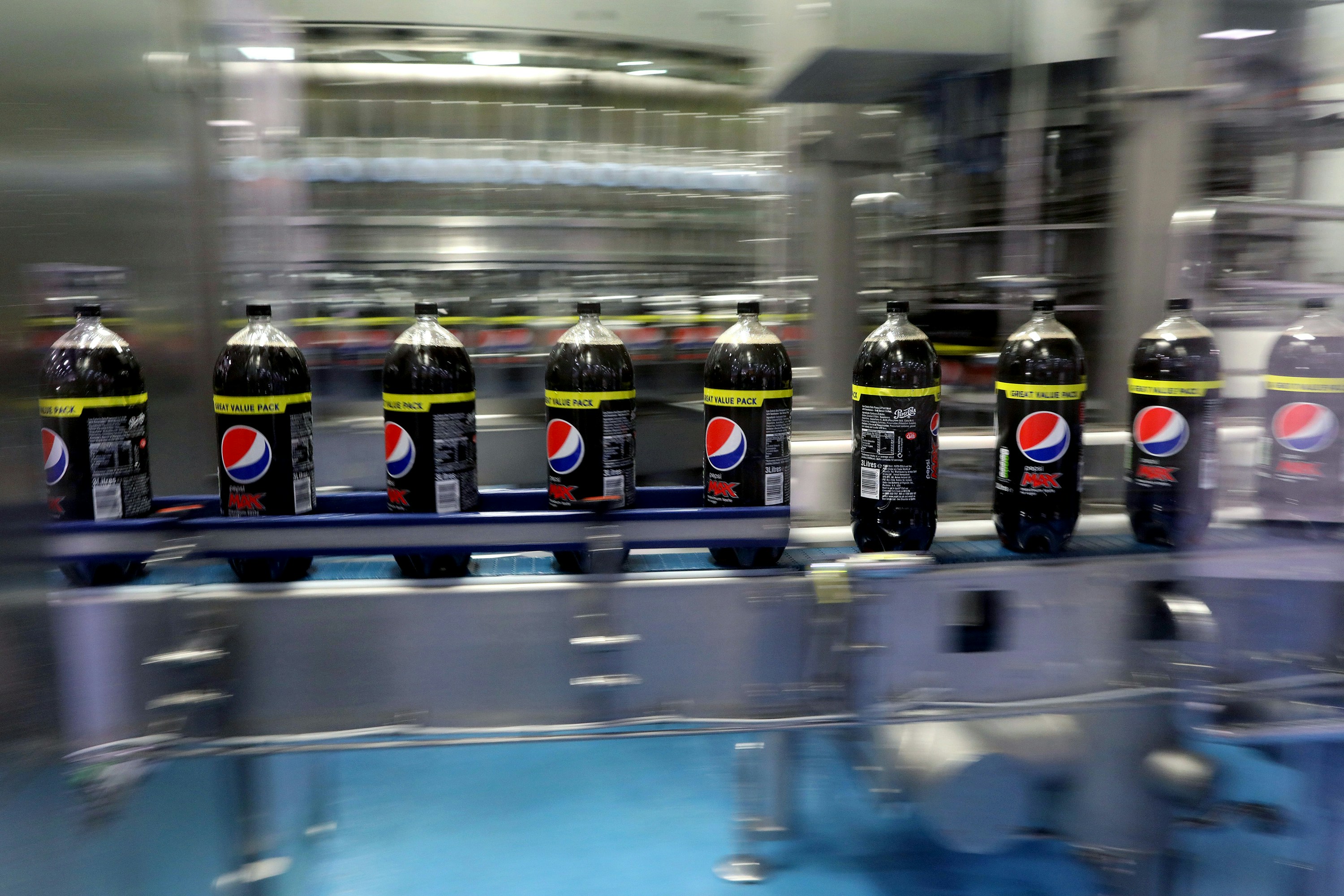
Bottles of Pepsi Max travel along the production line at the Britvic Plc factory and warehouse in Leeds, U.K., on Monday, Jan. 23, 2017. Britvic has agreed in principle to acquire Brazils Bela Ischia Alimentos Ltda, a producer of liquid concentrates and ready to drink juices. The company was founded in 1967 and is based in Astolfo Dutra, Brazil. Photographer: Chris Ratcliffe/Bloomberg via Getty Images
Bottles of Pepsi Max travel along the production line at the Britvic PLC factory and warehouse in Leeds, U.K., on Jan. 23, 2017. Photo: Chris Ratcliffe/Bloomberg via Getty Images

Big Plastic Fights Back

Even the executives at a recent plastics industry conference admit how bad the crisis is — at least to one another. All we hear is “you’ve got to get rid of plastics,” Garry Kohl, of PepsiCo, said to his fellow members of the Plastics Industry Association at a conference in April. Gathered in the gilded ballroom of a Dallas hotel, the representatives of big plastics manufacturers, recyclers, raw materials providers, extruders, brand owners, and others in the plastics business grappled aloud about their role in the crisis. Especially difficult, said Kohl, who directs packaging innovation of PepsiCo’s snacks and foods, was the widely circulated picture of a dead plastic-filled albatross. “This is very emotional for our senior leaders,” Kohl said, as the now iconic picture of the albatross — really just a few feathers and a decaying beak arranged around an assortment of bottle caps, lighter parts, and plastic bits — flashed above him. “They’re all talking about the albatross.”
Patty Long, interim president and chief executive officer of the Plastics Industry Association, the group that convened the Texas meeting, also acknowledged the pain of being the public face of an industry held responsible for the devastation of the natural world. Long admitted that she squirmed her way through another social media phenomenon that, along with the albatross, has changed the course of the war over plastics: the video of the sea turtle with a plastic straw jammed in its nostril. Long isn’t the only one. Since it was posted in 2015, the eight excruciating minutes in which marine biologists yank at the plastic straw with pliers while the creature squirms and bleeds, has been viewed 36 million times.
In this Nov. 2, 2014 photo provided by the U.S. Fish and Wildlife Service, a black footed albatross chick with plastics in its stomach lies dead on Midway Atoll in the Northwestern Hawaiian Islands. The remote atoll where thousands died is now a delicate sanctuary for millions of seabirds. Midway sits amid a collection of man-made debris called the Great Pacific Garbage Patch. Along the paths of Midway, there are piles of feathers with rings of plastic in the middle - remnants of birds that died with the plastic in their guts. Each year the agency removes about 20 tons of plastic and debris that washes ashore from surrounding waters. (Dan Clark/USFWS via AP)
In this photo provided by the U.S. Fish and Wildlife Service, a black footed albatross chick with plastics in its stomach lies dead on Midway Atoll in the Northwestern Hawaiian Islands on Nov. 2, 2014. Photo: Dan Clark/USFWS via AP

Bad Chemistry

Voor meer berichten met D66 oplichter van Veldhoven, vul haar achternaam in op het zoekvlak aan de rechterbovenkant van deze pagina.

Bhopal giframp, 33 jaar later is de ellende nog groot………

In de nacht van 2 op 3 december 1984 lekte er een grote hoeveelheid gif weg uit de slecht onderhouden pesticidefabriek van Union Carbide in Bhopal, India.

‘Officiële cijfers’, die meestal in het voordeel uitvallen als er sprake is van een westerse dader, stellen dat er 900 doden te betreuren waren, voorts vielen er meer dan 550.000 gewonden, waaronder 3.900 ernstig gewonden. Echter deskundigen die jarenlang onderzoek deden, spreken over minstens 2.000 doden…… Uit die cijfers blijkt dat 6.000 mensen in de maanden en eerste jaren na deze giframp overleden aan de gevolgen van de vergiftiging……

Union Carbide heeft de processen, die recht moesten doen aan de slachtoffers, jarenlang weten te rekken en Dow Chemical dat Unon Carbide overnam heeft deze tactiek overgenomen, zodat heden ten dage de nabestaanden en de door de ramp ernstig chronisch ziek geraakte mensen geen of amper enige schadevergoeding hebben ontvangen……

Het grondwater werd uiteraard ook vergiftigd en schandelijk genoeg hebben de autoriteiten pas 6 jaar geleden een goedwerkende waterleiding aangelegd, al zijn duizenden door het drinken van dit grondwater chronisch ziek geworden, waaronder vooral veel kinderen………

Bhopal 2 – 3 december 1984, vergeet het niet mensen, zie hoe de grote bedrijven schijt hebben aan de gezondheid van mensen, de winsten gaan ver voor elke humaan en moreel gevoel (dat volgens mij bij het gros van de bedrijven top ontbreekt, daar deze figuren bijna zonder uitzondering psychopaten zijn..).. Al moet ik eerlijk toegeven dat ik geen voorbeeld kan geven van het tegenovergestelde, dus een CEO met enige menselijke compassie……… Neem de topgraaier van Unilever, Polman. Deze kwast roemt Unilever als een duurzaam bedrijf dat rekening houdt met het milieu en dat de belangen van de medewerkers behartigt, waar die ook werken.

In werkelijkheid plakt Unilever een mooi etiket op palmolie als zijnde duurzaam, terwijl de steeds maar groeiende vraag naar palmolie, die vooral door bedrijven als Unilever wordt gegenereerd, niets met duurzaamheid van doen heeft. Uit een rapport bleek dan ook onlangs dat er geen duurzame palmolie bestaat……. Wat Polman verstaat onder goede omstandigheden voor de arbeiders die werken in de palmolie productie, staat in schril contrast tot werkelijkheid……. (niet zelden werken ook kinderen in de productie van palmolie, zoals onlangs bleek uit een onderzoek van o.a. Rainforest Action Network [RAN], waarover ik later deze week zal berichten)

De oerwouden van Indonesië worden verbrand* en gesloopt voor het aanleggen van palmolieplantages, palmolie dat in een enorm aantal supermarktproducten is verwerkt en dat wordt gebruikt voor ‘schaamdiesel’ ofwel ‘biodiesel’, waarvan de smerige uitstoot amper onderdoet voor gewone diesel, maar waar zoals gezegd wel oerwouden voor worden gesloopt……….

Er is maar een remedie tegen het verbranden en slopen van oerwouden voor palmolie en de smerige behandeling van de arbeiders in die sector: stop de vraag naar palmolie, ofwel stop helemaal met de productie van dit wanproduct!!

Met CETA en TTIP (voor de laatste voert de EU al sinds januari een peperdure lobby in Washington, CETA is al getekend door de EU…) zullen bedrijven als Dow Chemical de vrije hand krijgen en dat is zoals u wel begrijpt niet in uw of mijn belang, maar in het belang van de bedrijven, de aandeelhouders en de corrupte politici die t.z.t., na hun politieke carrière, zullen worden beloond voor hun misdadige lobby………..
Nogmaals: Vergeet nooit wat er in Bhopal is gebeurd en hoe men daar met de getroffen mensen en hun nabestaanden omging en omgaat!!

Hier een bericht van Brasscheck TV, waarin u naast video’s ook weer andere cijfers leest:

Remembering Bhopal

3,000 KILLED AND 150,000 INJURED

TYPICAL COLD CORPORATE RESPONSE

If you’re old enough, you may remember Bhopal.
It was the worst industrial disaster in history. Union Carbide, now owned by Dow Chemical, killed over 3,000, injured 120,000 – and did next-to-nothing NOTHING to help the people injured.
Poor design, poor training, poor maintenance, and not taking the dangers the operation posed to the nearby residents seriously led to this disaster. In other words, 1,500 counts of negligent homicide.

The Yes Men reveal the callousness of Dow Chemical

==========================

* Bosbranden die de lucht in omringende landen, niet zelden tot meer dan een maand, zo verpesten dat zelfs scholen moeten worden gesloten…….

Zie ook: ‘Bhopal giframp 3 december 1984

Mensen, dat was het voor deze dag, morgen meer berichten, maak er een mooie dag van!

Dow Chemical wordt vervolgd, niet de verantwoordelijke top

Dow Chemical in Terneuzen wordt door het OM vervolgd, vanwege grove nalatigheid. Diverse bijzonder gevaarlijke incidenten, waarbij o.a. gevaarlijke stoffen vrijkwamen in de periode 2005-2008, zijn uit en te na onderzocht. Ook het niet melden van incidenten wordt meegenomen in de vervolging van het bedrijf. Het OM ‘vermoed’ dat de veiligheidscultuur bij Dow Chemical niet in orde was, nou dat lijkt me een behoorlijk eufemisme.

Het OM gaat geen personen vervolgen, maar het bedrijf, de maximale straf voor dit spelen met de veiligheid en gezondheid van burgers….. een boete!
Het is logisch dat het OM geen personen vervolgd, dan zou blijken, dat de veiligheidscultuur bij de overheid zelf een ondergeschoven kind is. Inspectieorganen zijn uitgekleed en het aantal inspecties is mede als gevolg daarvan sterk afgenomen, hoogleraar Ale heeft daar onlangs de alarmbel over geluid (zie onderstaande links).

Zo ziet u nogmaals, dat uw overheid dikke schijt heeft aan uw veiligheid en gezondheid, centen daar draait het om!

De eerst volgende die nog durft te zeuren over regeldruk, zou met een enkele reis naar Siberië gestuurd moeten worden.

Zie ook mijn berichten van maandag 9 juli en zondag 8 juli jl:
http://deazijnpisser.blogspot.nl/2012/07/vervoer-gevaarlijke-stoffen-uw-overheid.html
http://deazijnpisser.blogspot.nl/2012/07/vervoer-gevaarlijke-stoffen-of-uw.html