De
Japanse regering is van zins om TEPCO, de eigenaar van de Fukushima
nuleaire rampcentrale, toestemming te geven om 1,2 miljoen ton met
radioactief besmet water in zee te lozen…..
Sinds
de ramp in 2011 stroomt er dagelijks al met radioactief besmet water
in zee, echter daarnaast heeft TEPCO in meer dan 1.000 tanks
radioactief besmet water opgevangen en zit aan de top van de
capaciteit, ofwel men ‘kan niet nog meer van dat water opslaan; dat
kan uiteraard wel maar de kosten lopen de ‘spuigaten uit…..’
Grossie,
de directeur van de IAEA, het Internationaal Atoomenergieagentschap,
bezocht de centrale dit jaar en verklaarde dat het dumpen van dit
radioactief besmet water behoord tot ‘de gewone gang van zaken……’
De IAEA,. NB een agentschap van de Verenigde Naties, is dan ook niets
meer dan een lobbyorgaan voor nucleaire energie, hoe gevaarlijk en
duur deze vorm van energieopwekking ook is…… Meer dan
schandalig!!
Volgens
TEPCO is dit water gezuiverd van radioactieve isotopen en blijft
alleen tritium achter in het water, een radioactieve stof die de
huid niet kan penetreren, maar pas gevaarlijk wordt bij inademing en
inname bijvoorbeeld door het eten van met tritium besmette vis……
Schunnig
genoeg weet TEPCO dat de waterzuiveringsinstallatie die de
radioactieve isotopen uit het water moet halen, grote problemen heeft……. Greenpeace International stelt dat TEPCO de laatste jaren heeft
toegegeven dat deze problemen bestaan en dat in meer dan 80% van de
tanks de radioactieve isotopen die ‘weggezuiverd’ zouden zijn, nog
steeds in het water zitten….. Volgens Greenpeace bevatten de
bewuste tanks verder ondermeer strontium -90, een zeer kankerverwekkend en dodelijke stof…….
Nogmaals,
dit is een teken dat het zeer onverantwoorde afbraakkabinet Rutte 3
knettergek is dat men alleen al het plan heeft nieuwe kerncentrales
te bouwen, des te meer daar ons grondgebied maar zeer klein is en een
kernramp in zo’n centrale zal een groot gebied onbewoonbaar
maken….. Hoe meer dan achterlijk moet je zijn om te pleiten voor
meer kerncentrales in ons kleine land, daarnaast zijn de kosten enorm,
jaarlijks moet er geld aan subsidie bij en geen
verzekeringsmaatschappij wil een kerncentrale verzekeren en dat is
bepaald niet voor niets……
Lees
het volgende zeer verontrustende artikel en vergeet niet dat radioactiviteit
van de Fukushima centrale zelfs wordt gevonden voor de kust van
Californië……
Het
volgende artikel komt van CounterPunch en werd geschreven door
Robert Hunziker:
For nearly a decade
the crippled Fukushima Daiichi Nuclear Power Plant has been streaming
radioactive water into the Pacific Ocean. As it happens, TEPCO (Tokyo
Electric Power Co.) struggles to control it. Yet, the bulk of the
radioactive water is stored in more than 1,000 water tanks.
Assuredly, Japan’s
government has made an informal decision to dump Fukushima Daiichi’s
radioactive water into the Pacific Ocean. A formal announcement could
come as early as this year. Currently, 1.2 million tonnes of
radioactive water is stored.
The problem: TEPCO is
running out of storage space.
Government of Japan’s
solution: Dump it into the Pacific Ocean.
Third-party expert
solutions: Build more storage tanks.
Environmental groups
insist there is no reason why additional storage tanks cannot be
constructed outside the perimeter of the plant. They accuse the
government of seeking the cheapest and quickest solution to the
problem. All along, authorities have promised the site will be safe
in 40 years. Really, only 40 years!
According to IAEA’s
Director General Grossi, who visited Fukushima in February 2020,
dumping radioactive water that is mainly contaminated with tritium
meets global standards of practice. (Source: Michael Jacob in Tokyo,
What! Is Japan Really Planning to Dump Radioactive Water From
Fukushima Into the Ocean? Sweden-Science-Innovation, June 10, 2020)
In that regard,
advocates of nuclear power utilize a subtle storyline that convinces,
and deceives, the public into accepting nuclear power, however
reluctantly. It goes something like this: “There’s nothing to
worry about. Nuclear power plants routinely release tritium into the
air and water. There is no economically feasible way to remove it.
It’s normal, a standard operating procedure.” Nevertheless, as
shall be explained in more detail forthwith, there is nothing
positive about that posture, absolutely nothing!
According to TEPCO,
all radioactive isotopes will be removed, except tritium, which is
hard to separate. Still, similar to all radioactive substances,
tritium is a carcinogen (causes cancer), a mutagen (causes genetic
mutation), and a teratogen (causes malformation of an embryo).
The good news: Tritium
is relatively weak beta radiation and does not have enough energy to
penetrate human skin. The principal health risks are ingesting or
breathing the tritium.
TEPCO has deployed an
Advanced Liquid Processing System (ALPS) that purportedly removes 62
isotopes from the water, all except tritium, which is radioactive
hydrogen and cannot easily be filtered out of water.
However, the
filtration system has been plagued by malfunctions. According to
Greenpeace International, within the past two years TEPCO admitted to
failures to reduce radioactivity to levels below regulatory limits in
more than 80% of the storage tanks. Reported levels of Strontium-90
(a deadly isotope) were more than 100 times regulatory standards with
some tanks at 20,000 times.
“They have
deliberately held back for years detailed information on the
radioactive material in the contaminated water. They have failed to
explain to the citizens of Fukushima, wider Japan and to neighboring
countries such as S. Korea and China that the contaminated water to
be dumped into the Pacific Ocean contains dangerous levels of
carbon-14 (koolstof-14). These, together with other radionuclides in the water will
remain hazardous for thousands of years with the potential to cause
genetic damage. It’s one more reason why these plans have to be
abandoned.” (Source: Fukushima Reactor Water Could Damage Human DNA
if Released, Says Greenpeace, The Guardian, October 23, 2020)
Cancer is
the main risk to humans ingesting tritium. When tritium decays it
emits a low-energy electron (roughly 18,000 electron volts) that
escapes and slams into DNA, a ribosome or some other biologically
important molecule. And, unlike other radionuclides, tritium is
usually part of water, so it ends up in all parts of the body and
therefore, in theory, can promote any kind of cancer. But that also
helps reduce the risk because tritiated water is typically excreted
in less than a month. (Source: Is Radioactive Hydrogen in Drinking
Water a Cancer Threat, Scientific American, Feb. 7, 2014)
Some evidence suggests
beta particles emitted by tritium are more effective at causing
cancer than the high-energy radiation such as gamma rays. Low-energy
electrons produce a greater impact because it doesn’t have the
energy to spread its impact. At the end of its atomic-scale trip it
delivers most of its ionizing energy in one relatively confined track
rather than shedding energy all along its path like a higher-energy
particle. This is known as “density of ionization.” As such,
scientists say any amount of radiation
poses a health risk.
According to Ian
Fairlie, Ph.D. (Imperial College/London and Princeton University), a
radiation biologist and former member of the 3-person secretariat to
Britain’s Committee Examining the Radiation Risks of Internal
Emitters: “At the present time, over a million tonnes of
tritium-contaminated water are being held in about a thousand tanks
at the site of the Fukushima Daiichi nuclear power station in Japan.
This is being added to at the rate of ~300 tonnes a day from
the water being pumped to keep cool the melted nuclear fuels from the
three destroyed reactors at Fukushima. Therefore new tanks are having
to be built each week to cope with the influx.” (Source: Ian
Fairlie, The Hazards of Tritium, March 13, 2020)
Furthermore,
radioactive contaminants in the tanks, such as nuclides like
caesium-137 (an extremely deadly isotope) and strontium-90 (which is
equally deadly) in reduced concentrations still exist in unacceptable
high levels. According to Fairlie: “These problems constitute a
sharp reminder to the world’s media that the nuclear disaster at
Fukushima did not end in 2011 and is continuing with no end in
sight.”
“There are no easy
answers here. Barring a miraculous technical discovery which is
unlikely, I think TEPCO/Japanese Gov’t will have to buy more land
and keep on building more holding tanks to allow for tritium decay to
take place. Ten half-lives for tritium is 123 years: that’s how
long these tanks will have to last – at least. This will allow time
not only for tritium to decay, but also for politicians to reflect on
the wisdom of their support for nuclear power.” (Fairlie)
Meanwhile, over the
course of seemingly endless years, Fukushima Daiichi remains “the
world’s most dangerous active time bomb” for several reasons, and
spent fuel rods are at the top of the list.
In addition to the 800
tons of lava-like molten fuel, aka: corium, (the big meltdown) in the
three reactor containment vessels, the crippled reactor buildings
contain more than 1,500 units of used nuclear fuel rods in open pools
of water and must be kept cool at all times or all hell breaks loose.
Loss of water from structural damage or another major earthquake (the
structures are already seriously compromised) could expose the fuel
rods, resulting in uncontrolled massive release of sizzling radiation
that could be worse than the original meltdown, possibly exposing
Tokyo to an emergency mass evacuation event with people running and
screaming.
Tokyo Electric Power
has plans for complete removal of the dangerous fuel rods by 2031.
That work is being carried out remotely from a control room about 500
metres distance due to extraordinarily high radiation levels inside
the reactor buildings.
Dismally, a perverse
endlessness overhangs Chernobyl (1986) and Fukushima Daiichi (2011),
earmarking these nuclear power meltdowns as the worst industrial
accidents in human history.
Yet, with 440
operating nuclear plants worldwide, and 50 new plants under
construction, there are plans to build a few hundred more.
Zie ook: ‘Kernenergie promotie in Duitsland als gevolg van voorstel VVD en CDA minstens 3 kerncentrales te bouwen in Nederland‘ (niet 3 maar deze partijen, gesteund door de christenbroeders van de SGP, plus de fascisten van PVV en FvD, willen tot 10 nieuwe kerncentrales bouwen in ons kleine land, waar één ramp met zo’n centrale een groot deel van Nederland onbewoonbaar maakt!! Centrales die bovendien niet zijn te verzekeren, me dunkt een heel groot teken aan de wand!!)
Vanmorgen werd bekend gemaakt dat de oranjeparade, een mars met voetbalfans door Lyon is verboden door de lokale autoriteiten, men kan de veiligheid van deelnemers of anderen niet waarborgen……
Vanmorgen deed men op Radio1 bij de NOS al behoorlijk hysterisch over dit verbod. In het infantiele ‘1, 2, 3 voor de dag’, een dagelijks weerkerend gebeuren vlak voor 9.30 u (op werkdagen), stumperde Jurgen van den Berg zich zoals gewoonlijk door een gesprek en probeerde dit zolang mogelijk te rekken. Hij sprak over deze zaak met Martiene Bruggink van de KNVB en dacht daarbij nog wel een leuke tip te hebben, ‘burgerlijk ongehoorzaam zijn’, waarbij alle oranjefans tegelijk per voet vertrekken naar het stadion….. Van den Berg had nog niet begrepen dat dit stadion op fikse afstand ligt van het centrum van Lyon…..
Dat woord ‘oranje’ komt me al jaren de neus uit, zoals regelmatige lezers van dit blog weten, nog erger en zeer infantiel vind ik het gelul over de ‘oranje leeuwinnen….’ Gadver, om te kotsen!!!
Waar niemand bij nadenkt is het feit dat oranje nog meer negatieve zaken oproept, zoals de oranjemarsen in Noord-Ierland, waar lijpo’s de Slag aan de Boyne op 12 juli 1690 herdenken, door jaarlijks oranjemarsen te houden, het liefst door katholieke wijken, destijds de bevolkingsgroep die het slachtoffer was van Willem III, één van de oorspronkelijke (protestantse en psychopathische) Oranjes*, die onder de katholieken in Ierland vreselijke moordpartijen aanrichtte…..
Onder andere de Telegraaf gebruikt i.p.v. oranjeparade het woord oranjemars…….. Onbegrijpelijk dat de organisatoren van deze oranjeparade’s niet hebben begrepen dat het woord ‘parade’ zou worden ingewisseld voor het woord ‘mars…..’ Hoe ongelofelijk dom moet je zijn..??!!!
* Willem III van Oranje is geen familie van de belastinguitvreters die zich nu ‘van Oranje’ noemen, vandaar ook dat deze belastinguitvreters niet willen meewerken aan een DNA onderzoek, om de uitkomsten daarvan te vergelijken met een DNA onderzoek op de overblijfselen van de echte Oranjes…..
Het
is om werkelijk schijtziek van te worden, welgestelden die van
gekkigheid niet meer weten wat ze moeten doen om boven het alledaagse
plebs uit te steken en daar is alweer wat nieuws op gevonden: chimpansee vlees
eten…….
Vooral in de VS en grote Europese steden schijnt apenvlees ‘hip’ te zijn…. De Britse douane onderschepte een paar weken terug zo’n 900 kilo bushmeat dat bestemd was voor de VS…..
Hierbij
wil ik de ook de hoop uitspreken dat dit westerse geteisem t.z.t. wordt afgeknald
en zelf wordt opgegeten. Gaat misschien wat ver, maar ze ebola wensen (veelal opgelopen door het eten van ‘bushmeat’, waartoe uiteraard ook
chimpansee vlees behoort) is niet zo slim daar deze ziekte zo
uitermate besmettelijk en dodelijk is.
Het
volgende artikel van het Care2 team werd geschreven door Susan
Bird:
Chimpanzee
Meat Being Served as a Delicacy in the UK and US
If
you’re attending a ritzy event in the U.K., pay attention to the
meat being served. Some high-end private events in Britain are
offering chimpanzee meat
as a “delicacy.” That’s bizarre, illegal and dangerous, primate
experts say.
This
isn’t just a U.K. problem, by the way. Customs officials revealed a
few weeks ago they found and confiscated 2,000 pounds of “bush
meat” on a flight bound for the U.S.
“It’s
rife. It’s there — it’s in all the major cities across Europe
and the U.S.,” primate scientist Ben Garrod told The
Telegraph.
“We have seen bush meat confiscated in the U.K. in check points at
borders and in markets.”
Bush
meat is
meat taken illegally by poachers of wildlife, including chimpanzees,
gorillas, elephants, antelopes, pangolins and many others. Somehow it
has become a prized
delicacy in
Western countries, selling in Britain for five times the price of
beef or pork, according to The Telegraph.
Bush
meat poses more serious problems than people may realize. In addition
to the fact that bush meat comes from illegally killed endangered
animals, it’s also a tremendous threat to human health.
The
greatest danger is a doozy: Bush meat can carry the Ebola virus.
In
most cases, people get Ebola through contact with an infected animal,
such as a fruit bat or nonhuman primate. When an animal infects a
human, it’s known as a “spillover event.” Once a human begins
showing symptoms, the virus will spread from human to human via
direct contact with bodily fluids.
While
Ebola is not normally transmitted by food, the Centers
for Disease Control and Prevention advises
that “in certain parts of the world, Ebola virus may spread through
the handling and consumption of bushmeat (wild animals hunted for
food).”
Therein
lies the problem. If you eat or handle Ebola-infected bush meat,
you’ve begun a potential chain of events that could ultimately
infect and kill many innocent people.
“The
biggest worry for health authorities at the moment is that a disease
that can be passed between humans and animals will be the next big
pandemic,” Garrod told The Telegraph. “For example, HIV
originally came from primates. We are so similar, so the potential is
there for various pathogens and viruses to be transmitted or mutate.”
Renowned
primate expert Dr.
Jane Goodall agrees
with Garrod that bush meat poses a real threat. “Interpol is
becoming increasingly involved in animal trafficking and could,
perhaps, be persuaded to take a more active role in the bush meat
smuggling,” she told The Telegraph.
It’s
reportedly quite easy to get bush meat past customs officials because
it’s often smoked and blackened first. Bush meat looks like any
similar meat that’s been cooked in that way. How are customs
officials to know the difference? One way, Garrod suggests, is to
begin DNA testing imported meats.
“With
advances in DNA analysis and the price of them coming down it’s not
unreasonable that we could be checking for these things,” he told
The Telegraph.
To
avoid the potential for a pandemic, DNA testing seems to be a
reasonable recommendation.
An
even more effective way to eliminate the problem is to eliminate the
demand. Educate those who desire bush meat that they’re putting
their lives at risk — along with the lives of many others — for
the sake of a “delicacy.”
Respect
the chimpanzee. Don’t eat it. The same goes for any endangered or
vulnerable-status animal. Those who are importing bush meat to the
U.S. or U.K. are not people who must eat that kind of meat to
survive. They’re self-centered and uninformed — and they’re
creating unnecessary risk for the rest of us.
Tot m’n grote schrik hoorde ik bij het afstemmen op Radio1 rond 10.30 u. vanmorgen dat men sprak over het meer dan achterhaalde koningshuis. Dom, daar het nationale waterhoofd W.A. vandaag jarig is.
Hoorde een flapdrol vertellen dat het ‘approval rate’ onder de Nederlanders voor Willem Alexander op 76% ligt, waar dit percentage voor pampakoningin Maxima op 80 ligt. Deze enorme flapdrol (en nee, heb geen zin de kul nogmaals aan te horen voor de naam van deze figuur) heeft waarschijnlijk het percentage verward met het cijfer dat Nederlanders zouden hebben gegeven aan W.A. en Maxima, respectievelijk een 7,5 en een 8……
Wat betreft de nonsens maakt het niet uit, beide cijfers zijn je reinste kul en zijn alleen bedoeld om de bevolking achter het koningshuis te houden, de propaganda voor dit middeleeuwse instituut begint al op de lagere school, met de belachelijke ‘koningsspelen’, waar kinderen sporten voor de bolronde zogenaamde koning…..*
Gadver!
Hoe populair het koningshuis werkelijk is blijkt wel uit het feit dat het Nationale Condoleance Register voor Johan Friso door amper meer dan 20.000 mensen werd getekend….. (terwijl er toch echt zo’n 17 miljoen Nederlanders zijn)
Weg met het koningshuis dat er geen moeite mee heeft Nederlandse historische kunst te verpatsen aan het buitenland, de belasting te ontduiken, of op de bek te gaan met vastgoedhandel en andere zaken….
* Het koningshuis is geen afstamming van de oorlogsmisdadigers uit de 16de eeuw, die als Oranjes worden aangeduid, vandaar dat het koningshuis geen DNA wenst af te staan om dit te vergelijken met die van het stoffelijk overschot van Willem van Oranje…..
Dacht
weer even van m’n stoel te donderen toen ik gisteren het hieronder opgenomen
artikel van Foodwatch las. Naar nu blijkt krijgen ook in Nederland de
meest giftige stoffen, die onze hormoonhuishouding en/of DNA
aantasten, ja zelfs stoffen die kanker kunnen veroorzaken, een
automatische verlenging krijgen voor toelating op de markt……. Dit daar er
eenvoudigweg te weinig mensen zijn om die giftige stoffen aan een
nieuw onderzoek te onderwerpen (met verkregen nieuwe inzichten).
Het College voor de toelating van gewas beschermingsmiddelen en biociden (Ctgb), het orgaan dat in Nederland de beoordeling doet van landbouwgif, is als zoveel inspecties uitgekleed en heeft onvoldoende personeel om werkelijk alle voorgelegde gifstoffen te kunnen testen…….
De
hoofdschuldige daarvoor is het CDA dat in 2004 een groot deel van de
goedwerkende inspecties naar de schroothoop bracht onder CDA kleiaardappel Balkenende en daarvoor het
meer dan lamme NVWA oprichtte…… De NVWA een inspectieorgaan met
een ongelofelijk aantal zaken op het bord en daarvoor ongelofelijk weinig personeel kreeg toebedeeld….. Daarnaast werden zoals gezegd organisaties als het Ctgb uitgekleed, zodat deze organisatie het werk niet langer bemoeilijkt voor boeren en tuinders, die naar hartenlust gifstoffen over hun teelt sproeien…….
In de EU
is men wakker geschrokken van van dit bericht over automatische verlengingen van gevaarlijke gifstoffen, maar niet onze
‘fijn christelijke’ minister van Landbouw, ‘Christen’Unie oplichter Schouten. Zij
wil eerst overleggen met het Ctgb en het ministerie van Volksgezondheid, voordat ze
een uiterst dringend verbod op deze gang van zaken wil overwegen,
kortom ook Schouten heeft schijt aan jouw gezondheid en zondag zit
ze doodleuk jubelend voor in de kerk…….
Lees het
volgende artikel van Foodwatch en de haren zullen je ten berge
rijzen:
Succes!
EU Parlement pikt omstreden pesticiden niet langer
Beste foodwatcher,
Ik
vertelde je twee weken geleden hoe ik door onderzoek een giftig
schandaal op het spoor kwam.
Ik
ben blij dat ik je vandaag kan melden dat we – vanuit onze
zolderverdieping op drie hoog – direct politiek succes hebben gehaald
door dit onderzoek!
Wat
is het probleem?
Bestrijdingsmiddelen
die in de EU zijn toegelaten, worden voorafgaand beoordeeld op
schadelijkheid. Volgens de wet moet elke stof vervolgens na de eerste
tien jaar opnieuw beoordeeld worden. Zo kan bekeken worden of volgens
nieuwe wetenschappelijke inzichten de risico’s van het
bestrijdingsmiddel voor mens, dier en milieu nog acceptabel zijn. Dit
blijkt regelmatig niet het geval te zijn en leidt dit tot een verbod.
Uit onderzoek van foodwatch blijkt echter dat deze herbeoordeling bij
ruim tweehonderd pesticiden niet is gedaan. Daar blijken de
beoordelingsinstanties geen tijd voor te hebben. De oude goedkeuring
wordt op de automatische piloot verlengd zonder de schadelijkheid te
beoordelen. Het probleem wordt zo letterlijk op jouw bord gelegd.
Europees
parlement overtuigd
Nadat we ons onderzoek
hierover hadden gepubliceerd, bleek een meerderheid van de
Europarlementariërs het met ons eens: dit moet ophouden. In een
resolutie wordt nu opgeroepen tot een einde aan het klakkeloos
verlengen van een gevaarlijkste groep stoffen. Deze stoffen kunnen
kankerverwekkend zijn of ons DNA beschadigen. Daarnaast kunnen deze
stoffen onze vruchtbaarheid of hormoonhuishouding aantasten. De
resolutie is erg belangrijk omdat blijkt dat de afgelopen jaren zelfs
deze gevaarlijke groep pesticiden toch op de automatische piloot
jarenlang verlengd werd. De meest omstreden verlengingen moeten ook
zo snel mogelijk worden teruggedraaid, stelt het Europees parlement.
Maar we zijn er
nog niet: de Europese Commissie kan nog dwars liggen en de lobby van
de pesticidengiganten en agro-industrie is groot. We zullen er dus
nog voor blijven ‘knokken’!
De eis van het Europarlement voor een snelle oplossing voor de gevaarlijkste pesticiden staat helaas in schril contrast met de houding van onze Nederlandse regering.
Ook in het Nederlandse parlement leidde ons onderzoek tot Kamervragen. De eerste vragen werden deze week beantwoord door minister Schouten van Landbouw. Hoewel ze schoorvoetend moet erkennen dat er steeds vaker toelatingen automatisch verlengd worden, schuift de minister het oplossen van dit probleem op de lange baan. Schouten belooft slechts om op zijn vroegst volgend jaar aandacht te vragen voor dit probleem.
Maar daar komt ze wat ons betreft niet zo makkelijk mee weg! De minister moet haar verantwoordelijkheid nu nemen en de bescherming van consument en milieu eindelijk voorrang geven op de economische belangen van de fabrikanten van bestrijdingsmiddelen.
Onze
strijd in Den Haag is nog niet gestreden!
Sommige
Kamervragen zijn echter nog niet beantwoord. En daar zal ze zich niet
zo makkelijk vanaf kunnen maken. Ze heeft uitstel gevraagd omdat ze
moet overleggen met mensen van het ministerie van Volksgezondheid, en
met de mensen van het College
voor de toelating van gewasbeschermingsmiddelen en biociden (Ctgb).
Dat ze met deze organisatie gaat overleggen, vind ik al goed nieuws.
Zij bepalen namelijk welke bestrijdingsmiddelen in Nederland gebruikt
mogen worden en zijn daarmee deel van het probleem. Ze zijn er
namelijk verantwoordelijk voor dat ook in Nederland de omstreden
pesticiden toegestaan zijn.
In de Kamervragen wordt
de minister opgeroepen om de toelatingen van twee risicovolle
stoffen, thiacloprid en flumioxazine, onmiddellijk in te trekken en
zo het gebruik van deze schadelijke middelen een halt toe te roepen.
Ook wordt de minister gevraagd om het Ctgb geen nationale toelatingen
of verlengingen meer af te laten geven voor stoffen die al langer als
risicovol zijn bestempeld en waarvan instanties ook vinden dat ze
vervangen moeten worden.
Het is nu wachten op de
antwoorden van de minister. Als onze gezondheid haar aan het hart
gaat, neemt ze nu maatregelen tegen deze groep schadelijke
pesticiden, ook in Nederland.
Maar ondertussen zitten
wij ook niet stil. Zo heb ik volgende week ook een afspraak met
mensen van het Ctgb, en zal ze deze vraag zelf ook gaan stellen. Ik
houd je op de hoogte!
Meer informatie vind je
hier:
* Ons onderzoek en
ons nieuwsbericht daarover
*
De aangenomen ontwerpresolutie
*
De aangenomen aanvullende amendementen 3
en 4 over de omstreden groep bestrijdingsmiddelen
* Antwoord van
de minister op Kamervragen
* De nog niet beantwoorde Kamervragen
vind je hier
*
Het artikel in Dagblad
Trouw eerder
over dit probleem
===============================================
Mensen dat was het voor vandaag, morgen meer berichten; probeer er een mooie dag van te maken.
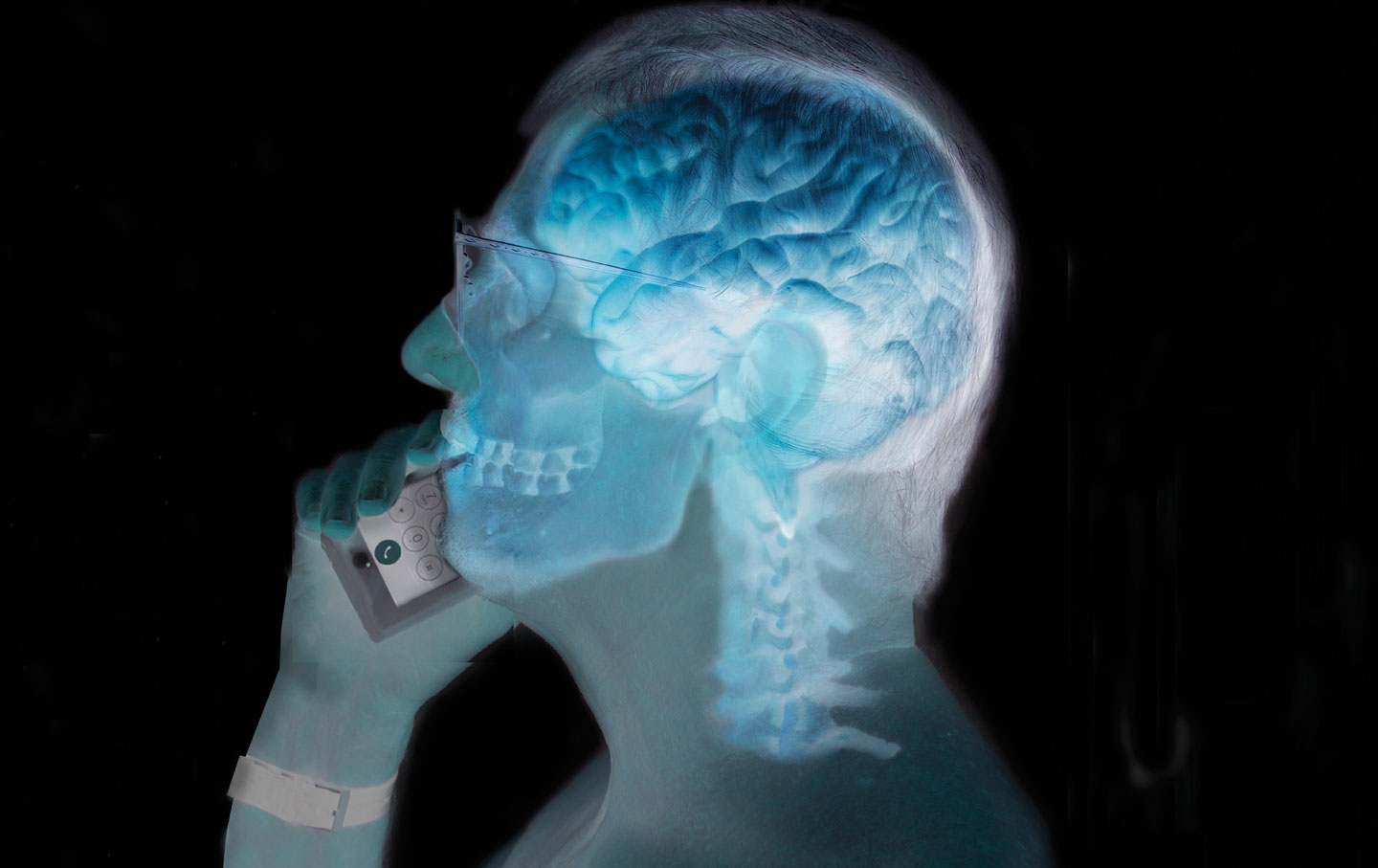
Met het uitrollen van 5G netwerk komt er steeds
meer twijfel aan de veiligheid van de straling voor de hersenen en
raken meer en meer wetenschappers ervan overtuigd dat de straling die
wordt aangewend voor de mobiele telefoon, kankerverwekkend
is, ofwel o.a. hersentumor bevorderend……. Met het 5G netwerk wordt die straling nog gevaarlijker……..
In het hieronder opgenomen artikel
geschreven door Mark Hertsgaard en Mark Dowie en eerder geplaatst op
The Nation (hier de link naar het origineel), wordt aangetoond dat
de fabrikanten van mobiele telefoons en de netwerkbeheerders willens en wetens
wetenschappers betaalden voor hen gunstige uitkomsten uit onderzoek
naar straling van mobile telefoons……. Echter zoals het onderzoek naar het gebruik van tabak en fossiele brandstoffen verging, vonden
een aantal van deze wetenschappers wel degelijk bewijzen voor negatieve beïnvloeding van de hersenen door de straling, overigens kan door diezelfde straling ook het
DNA beschadigd worden……
De Wereldgezondheidsorganisatie (WHO) waarschuwt en stelt dat straling van mobiele telefoons ‘mogelijk’ kankerverwekkend kan zijn……. Zo zie je nog maar eens de werking van lobbyisme in de WHO, de lobby van netwerkbeheerders en fabrikanten van mobiele telefoons…….
In feite zijn een paar miljard mensen alleen door de mobiele telefoon te gebruiken, onderdeel geweest van een gezondheidsonderzoek, daar nooit van te voren een onderzoek werd ingesteld naar negatieve gezondheidseffecten door het gebruik van deze telefoons……..
Lees het volgende ontluisterende
artikel ajb en neem het zekere voor het onzekere: gebruik je telefoon
met ‘oortjes’ en microfoon, dus niet tegen je hoofd en zegt het
voort! (en doe je telefoon niet in je broekzak…)
Let wel deze ‘geschreven video’ is een andere dan de gesproken tekst in de ‘video’ op het origineel
Things
didn’t end well between George Carlo and Tom Wheeler; the last time
the two met face-to-face, Wheeler had security guards escort Carlo
off the premises. As president of the Cellular Telecommunications and
Internet Association (CTIA), Wheeler was the wireless industry’s
point man in Washington. Carlo was the scientist handpicked by
Wheeler to defuse a public-relations crisis that threatened to
strangle his infant industry in its crib. This was back in 1993, when
there were only six cell-phone subscriptions for every 100 adults in
the United States. But industry executives were looking forward to a
booming future.
Remarkably,
cell phones had been allowed onto the US consumer market a decade
earlier without any government safety testing. Now, some customers
and industry workers were being diagnosed with cancer. In January
1993, David
Reynard sued the NEC America Company,
claiming that his wife’s NEC phone caused her lethal brain tumor.
After Reynard appeared on national TV, the story went viral. A
congressional subcommittee announced an investigation; investors
began dumping their cell-phone stocks; and Wheeler and the CTIA swung
into action.
A
week later, Wheeler announced that his industry would pay for a
comprehensive research program. Cell phones were already safe,
Wheeler told reporters; the new research would simply “re-validate
the findings of the existing studies.”
George
Carlo seemed like a good bet to fulfill Wheeler’s mission. He was
an epidemiologist who also had a law degree, and he’d conducted
studies for other controversial industries. After a study funded by
Dow Corning, Carlo had declared that breast implants posed only
minimal health risks. With chemical-industry funding, he had
concluded that low levels of dioxin, the chemical behind the Agent
Orange scandal, were not dangerous. In 1995, Carlo began directing
the industry-financed Wireless Technology Research project (WTR),
whose eventual budget of $28.5 million made it the best-funded
investigation of cell-phone safety to date.
Outside
critics soon came to suspect that Carlo would be the front man for an
industry whitewash. They cited his dispute
with Henry Lai,
a professor of biochemistry at the University of Washington, over a
study that Lai had conducted examining whether cell-phone radiation
could damage DNA. In 1999, Carlo and the WTR’s general counsel sent
a letter to the university’s president urging that Lai be fired for
his alleged violation of research protocols. Lai accused the WTR of
tampering with his experiment’s results. Both Carlo and Lai deny
the other’s accusations.
Critics
also attacked what they regarded as the slow pace of WTR research.
The WTR was merely “a confidence game” designed to placate the
public but stall real research, according to
Louis Slesin, editor of the trade publication Microwave
News.
“By dangling a huge amount of money in front of the cash-starved
[scientific] community,” Slesin argued, “Carlo guaranteed silent
obedience. Anyone who dared complain risked being cut off from his
millions.” Carlo denies the allegation.
Whatever
Carlo’s motives might have been, the documented fact is that he and
Wheeler would eventually clash bitterly over the WTR’s findings,
which Carlo presented to wireless-industry leaders on February 9,
1999. By that date, the WTR had commissioned more than 50 original
studies and reviewed many more. Those studies raised “serious
questions” about cell-phone safety, Carlo told a closed-door
meeting of the CTIA’s board of directors, whose members included
the CEOs or top officials of the industry’s 32 leading companies,
including Apple, AT&T, and Motorola.
Carlo
sent letters to each of the industry’s chieftains on October 7,
1999, reiterating that the WTR’s research had found the following:
“The risk of rare neuro-epithelial tumors on the outside of the
brain was more than doubled…in cell phone users”; there was an
apparent “correlation between brain tumors occurring on the right
side of the head and the use of the phone on the right side of the
head”; and “the ability of radiation from a phone’s antenna to
cause functional genetic damage [was] definitely positive….”
Carlo
urged the CEOs to do the right thing: give consumers “the
information they need to make an informed judgment about how much of
this unknown risk they wish to assume,” especially since some in
the industry had “repeatedly and falsely claimed that wireless
phones are safe for all consumers including children.”
The
World Health Organization classifies cell-phone radiation as a
“possible” carcinogen.
The
very next day, a livid Tom Wheeler began publicly trashing Carlo to
the media. In a letter he shared with the CEOs, Wheeler told Carlo
that the CTIA was “certain that you have never provided CTIA with
the studies you mention”—an apparent effort to shield the
industry from liability in the lawsuits that had led to Carlo’s
hiring in the first place. Wheeler charged further that the studies
had not been published in peer-reviewed journals, casting doubt on
their validity.
Wheeler’s
tactics succeeded in dousing the controversy. Although Carlo had in
fact repeatedly briefed Wheeler and other senior industry officials
on the studies, which had indeed undergone peer review and would soon
be published, reporters on the technology beat accepted Wheeler’s
discrediting of Carlo and the WTR’s findings. (Wheeler would go on
to chair the Federal Communications Commission, which regulates the
wireless industry. He agreed to an interview for this article but
then put all of his remarks off the record, with one exception: his
statement that he has always taken scientific
guidance from the US Food and Drug Administration (FDA), ‘which, he said, “has concluded, ‘the weight of scientific
evidence had not linked cell phones with any health problems.’”)
Why,
after such acrimony, Carlo was allowed to make one last appearance
before the CTIA board is a mystery. Whatever the reason, Carlo flew
to New Orleans in February 2000 for the wireless industry’s annual
conference, where he submitted the WTR’s
final report to
the CTIA board. According to Carlo, Wheeler made sure that none of
the hundreds of journalists covering the event could get anywhere
near him.
When
Carlo arrived, he was met by two seriously muscled men in plain
clothes; the larger of the two let drop that he had recently left the
Secret Service. The security men steered Carlo into a holding room,
where they insisted he remain until his presentation. When summoned,
Carlo found roughly 70 of the industry’s top executives waiting for
him in silence. Carlo had spoken a mere 10 minutes when Wheeler
abruptly stood, extended a hand, and said, “Thank you, George.”
The two muscle men then ushered the scientist to a curbside taxi and
waited until it pulled away.
In
the years to come, the WTR’s cautionary findings would be
replicated by numerous other scientists in the United States and
around the world, leading the World Health Organization in 2011 to
classify cell-phone radiation as a “possible” human carcinogen
and the governments of Great Britain, France, and Israel to issue
strong warnings on cell-phone use by children. But as the taxi
carried Carlo to Louis Armstrong International Airport, the scientist
wondered whether his relationship with the industry might have turned
out differently if cell phones had been safety-tested before being
allowed onto the consumer market, before profit took precedence over
science. But it was too late: Wheeler and his fellow executives had
made it clear, Carlo told The
Nation,
that “they would do what they had to do to protect their industry,
but they were not of a mind to protect consumers or public health.”
This
article does not argue that cell phones and other wireless
technologies are necessarily dangerous; that is a matter for
scientists to decide. Rather, the focus here is on the global
industry behind cell phones—and the industry’s long campaign to
make people believe that cell phones are safe.
As
happened earlier with Big Tobacco and Big Oil, the wireless
industry’s own scientists privately warned about the risks.
That
campaign has plainly been a success: 95 out of every 100 adult
Americans now own a cell phone; globally, three out of four adults
have cell-phone access, with sales increasing every year. The
wireless industry is now one of the fastest-growing on Earth and one
of the biggest, boasting annual sales of $440 billion in 2016.
Carlo’s
story underscores the need for caution, however, particularly since
it evokes eerie parallels with two of the most notorious cases of
corporate deception on record: the campaigns by the tobacco and
fossil-fuel industries to obscure the dangers of smoking and climate
change, respectively. Just as tobacco executives were privately told
by their own scientists (in the 1960s) that smoking was deadly, and
fossil-fuel executives were privately told by their own scientists
(in the 1980s) that burning oil, gas, and coal would cause a
“catastrophic” temperature rise, so Carlo’s testimony reveals
that wireless executives were privately told by their own scientists
(in the 1990s) that cell phones could cause cancer and genetic
damage.
Carlo’s
October 7, 1999, letters to wireless-industry CEOs are the
smoking-gun equivalent of the
November 12, 1982, memo that
M.B. Glaser, Exxon’s manager of environmental-affairs programs,
sent to company executives explaining that burning oil, gas, and coal
could raise global temperatures by a destabilizing 3 degrees Celsius
by 2100. For the tobacco industry, Carlo’s letters are akin to the
1969 proposal that
a Brown & Williamson executive wrote for countering anti-tobacco
advocates. “Doubt is our product,” the memo declared. “It is
also the means of establishing a controversy…at the public level.”
Like
their tobacco and fossil-fuel brethren, wireless executives have
chosen not to publicize what their own scientists have said about the
risks of their products. On the contrary, the industry—in America,
Europe, and Asia—has spent untold millions of dollars in the past
25 years proclaiming that science is on its side, that the critics
are quacks, and that consumers have nothing to fear. This, even as
the industry has worked behind the scenes—again like its Big
Tobacco counterpart—to deliberately addict its customers. Just as
cigarette companies added nicotine to hook smokers, so have wireless
companies designed cell phones to deliver a jolt of dopamine with
each swipe of the screen.
This Nation investigation
reveals that the wireless industry not only made the same moral
choices that the tobacco and fossil-fuel industries did; it also
borrowed from the same public-relations playbook those industries
pioneered. The playbook’s key insight is that an industry doesn’t
have to win the scientific argument about safety; it only has to keep
the argument going. That amounts to a win for the industry, because
the apparent lack of certainty helps to reassure customers, even as
it fends off government regulations and lawsuits that might pinch
profits.
Central
to keeping the scientific argument going is making it appear that not
all scientists agree. Again like the tobacco and fossil-fuel
industries, the wireless industry has “war gamed” science, as a
Motorola internal memo in 1994 phrased
it. War-gaming science involves playing offense as well as defense:
funding studies friendly to the industry while attacking studies that
raise questions; placing industry-friendly experts on advisory bodies
like the World Health Organization; and seeking to discredit
scientists whose views depart from the industry’s.
Funding
friendly research has perhaps been the most important component of
this strategy, because it conveys the impression that the scientific
community truly is divided. Thus, when studies have linked wireless
radiation to cancer or genetic damage—as Carlo’s WTR did in 1999;
as the WHO’s
Interphone study did in 2010;
and as the
US National Toxicology Program did in 2016—industry
spokespeople can point out, accurately, that other studies disagree.
“[T]he overall balance of the evidence” gives no cause for alarm,
asserted Jack Rowley, research and sustainability director for the
Groupe Special Mobile Association (GSMA), Europe’s wireless trade
association, speaking
to reporters about the WHO’s findings.
A
closer look reveals the industry’s sleight of hand. When Henry Lai,
the professor whom Carlo tried to get fired, analyzed 326
safety-related studies completed between 1990 and 2005, he learned
that 56 percent found a biological effect from cell-phone radiation
and 44 percent did not; the scientific community apparently was
split. But when Lai recategorized the studies according to their
funding sources, a different picture emerged: 67 percent of the
independently funded studies found a biological effect, while a mere
28 percent of the industry-funded studies did. Lai’s findings were
replicated by a
2007 analysis in Environmental
Health Perspectives that
concluded industry-funded studies were two and a half times less
likely than independent studies to find a health effect.
One
key player has not been swayed by all this wireless-friendly
research: the insurance industry. The
Nation has
not been able to find a single insurance company willing to sell a
product-liability policy that covered cell-phone radiation. “Why
would we want to do that?” one executive chuckled before pointing
to more than two dozen lawsuits outstanding against wireless
companies, demanding a total of $1.9 billion in damages. Some judges
have affirmed such lawsuits, including a judge
in Italy who refused to allow industry-funded research as evidence.
Even
so, the industry’s neutralizing of the safety issue has opened the
door to the biggest, most hazardous prize of all: the proposed
revolutionary transformation of society dubbed the “Internet of
Things.” Lauded as a gigantic engine of economic growth, the
Internet of Things will not only connect people through their
smartphones and computers but will connect those devices to a
customer’s vehicles and home appliances, even their baby’s
diapers—all at speeds faster than can currently be achieved.
Billions
of cell-phone users have been subjected to a public-health experiment
without informed consent.
There
is a catch, though: The Internet of Things will require augmenting
today’s 4G technology with 5G, thus “massively increasing” the
general population’s exposure to radiation, according to a
petition signed by 236 scientists worldwide who
have published more than 2,000 peer-reviewed studies and represent “a
significant portion of the credentialed scientists in the radiation
research field,” according to Joel Moskowitz, the director of the
Center for Family and Community Health at the University of
California, Berkeley, who helped circulate the petition.
Nevertheless, like cell phones, 5G technology is on the verge of
being introduced without pre-market safety testing.
Lack
of definitive proof that a technology is harmful does not mean the
technology is safe, yet the wireless industry has succeeded in
selling this logical fallacy to the world. In truth, the safety of
wireless technology has been an unsettled question since the
industry’s earliest days. The upshot is that, over the past 30
years, billions of people around the world have been subjected to a
massive public-health experiment: Use a cell phone today, find out
later if it causes cancer or genetic damage. Meanwhile, the wireless
industry has obstructed a full and fair understanding of the current
science, aided by government agencies that have prioritized
commercial interests over human health and news organizations that
have failed to inform the public about what the scientific community
really thinks. In other words, this public-health experiment has been
conducted without the informed consent of its subjects, even as the
industry keeps its thumb on the scale.
“The
absence of absolute proof does not mean the absence of risk,” Annie
Sasco, the former director of epidemiology for cancer prevention at
France’s National Institute of Health and Medical Research, told
the attendees of the 2012 Childhood Cancer conference. “The younger
one starts using cell phones, the higher the risk,” Sasco
continued, urging a public-education effort to inform parents,
politicians, and the press about children’s exceptional
susceptibility.
For
adults and children alike, the process by which wireless radiation
may cause cancer remains uncertain, but it is thought to be indirect.
Wireless radiation has been shown
to damage the blood-brain barrier,
a vital defense mechanism that shields the brain from carcinogenic
chemicals elsewhere in the body (resulting, for example, from
secondhand cigarette smoke). Wireless radiation has also been shown
to interfere
with DNA replication,
a proven progenitor of cancer. In each of these cases, the risks are
higher for children: Their skulls, being smaller, absorb more
radiation than adults’ skulls do, while children’s longer life
span increases their cumulative exposure.
The
wireless industry has sought to downplay concerns about cell phones’
safety, and the Federal Communications Commission has followed its
example. In 1996, the FCC established cell-phone safety levels based
on “specific absorption rate,” or SAR. Phones were required to
have a SAR of 1.6 watts or less per kilogram of body weight. In
2013, the
American Academy of Pediatrics advised the FCC that
its guidelines “do not account for the unique vulnerability and use
patterns specific to pregnant women and children.” Nevertheless,
the FCC has declined to update its standards.
The
FCC has granted the industry’s wishes so often that it qualifies as
a “captured agency,” argued journalist Norm Alster in a
report that
Harvard University’s Edmond J. Safra Center for Ethics published in
2015. The FCC allows cell-phone manufacturers to self-report SAR
levels, and does not independently test industry claims or require
manufacturers to display the SAR level on a phone’s packaging.
“Industry controls the FCC through a soup-to-nuts stranglehold that
extends from its well-placed campaign spending in Congress through
its control of the FCC’s congressional oversight committees to its
persistent agency lobbying,” Alster wrote. He also quoted the CTIA
website praising the FCC for “its light regulatory touch.”
The
revolving-door syndrome that characterizes so many industries and
federal agencies reinforces the close relationship between the
wireless industry and the FCC. Just as Tom Wheeler went from running
the CTIA (1992– 2004) to chairing the FCC (2013–2017), Meredith
Atwell Baker went from FCC commissioner (2009–2011) to the
presidency of the CTIA (2014 through today). To ensure its access on
Capitol Hill, the wireless industry made $26 million in campaign
contributions in 2016, according
to the Center for Responsive Politics,
and spent $87 million on lobbying in 2017.
Neutralizing
the safety issue has been an ongoing imperative because the research
keeps coming, much of it from outside the United States. But the
industry’s European and Asian branches have, like their US
counterpart, zealously war-gamed the science, spun the news coverage,
and thereby warped the public perception of their products’ safety.
The
WHO began to study the health effects of electric- and magnetic-field
radiation (EMF) in 1996 under the direction of Michael Repacholi, an
Australian biophysicist. Although
Repacholi
claimed on disclosure forms that he was “independent” of
corporate influence, in fact Motorola had funded his research: While
Repacholi was director of the WHO’s EMF program, Motorola paid
$50,000 a year to his former employer, the Royal Adelaide Hospital,
which then transferred the money to the WHO program. When journalists
exposed the payments, Repacholi denied that
there was anything untoward about them because Motorola had not paid
him personally. Eventually, Motorola’s payments were bundled with
other industry contributions and funneled through the Mobile and
Wireless Forum, a trade association that gave the WHO’s program
$150,000 annually. In 1999, Repacholi helped engineer a WHO statement
that “EMF exposures below the limits recommended in international
guidelines do not appear to have any known consequence on health.”
Two
wireless trade associations contributed $4.7 million to the
Interphone study launched
by the WHO’s International Agency for Cancer Research in 2000. That
$4.7 million represented 20 percent of the $24 million budget for the
Interphone study, which convened 21 scientists from 13 countries to
explore possible links between cell phones and two common types of
brain tumor: glioma and meningioma. The money was channeled through a
“firewall” mechanism intended to prevent corporate influence on
the IACR’s findings, but whether such firewalls work is debatable.
“Industry sponsors know [which scientists] receive funding;
sponsored scientists know who provides funding,” Dariusz
Leszczynski, an adjunct professor of biochemistry at the University
of Helsinki, has explained.
The
FCC grants the wireless industry’s wishes so often that it
qualifies as a “captured agency.”
To
be sure, the industry could not have been pleased with some of
the Interphone
study’s conclusions.
The study found that the heaviest cell-phone users were 80
percent more likely to develop glioma.
(The initial finding of 40 percent was increased to 80 to correct for
selection bias.) The Interphone study also concluded that individuals
who had owned a cell phone for 10 years or longer saw their risk of
glioma increase by nearly 120 percent.
However,
the study did not find any increased risk for individuals who used
their cell phones less frequently; nor was there evidence of any
connection with meningioma.
When
the Interphone conclusions were released in 2010, industry
spokespeople blunted their impact by deploying what experts on lying
call “creative truth-telling.” “Interphone’s conclusion of no
overall increased risk of brain cancer is consistent with conclusions
reached in an already large body of scientific research on this
subject,” John Walls, the vice president for public affairs at the
CTIA, told
reporters.
The wiggle word here is “overall”: Since some of the Interphone
studies did not find increased brain-cancer rates, stipulating
“overall” allowed Walls to ignore those that did. The misleading
spin confused enough news organizations that their coverage of the
Interphone study was essentially reassuring to the industry’s
customers. The
Wall Street Journal announced
“Cell Phone Study Sends Fuzzy Signal on Cancer Risk,” while the
BBC’s headline declared: “No Proof of Mobile Cancer Risk.”
The
industry’s $4.7 million contribution to the WHO appears to have had
its most telling effect in May 2011, when the WHO convened scientists
in Lyon, France, to discuss how to classify the cancer risk posed by
cell phones. The industry not only secured “observer” status at
Lyon for three of its trade associations; it placed two
industry-funded experts on the working group that would debate the
classification, as well as additional experts among the “invited
specialists” who advised the group.
Niels
Kuster, a Swiss engineer, initially filed a conflict-of-interest
statement affirming only that his research group had taken money from
“various governments, scientific institutions and corporations.”
But after Kuster co-authored a summary of the WHO’s findings in The
Lancet Oncology,
the medical journal issued
a correction expanding
on Kuster’s conflict-of-interest statement, noting payments from
the Mobile Manufacturers Forum, Motorola, Ericsson, Nokia, Samsung,
Sony, GSMA, and Deutsche Telekom. Nevertheless, Kuster participated
in the entire 10 days of deliberations.
The
industry also mounted a campaign to discredit Lennart Hardell, a
Swedish professor of oncology serving on the working group. Hardell’s
studies,
which found an increase in gliomas and acoustic neuromas in long-term
cell-phone users, were some of the strongest evidence that the group
was considering.
Hardell
had already attracted the industry’s displeasure back in 2002, when
he began arguing that children shouldn’t use cell phones. Two
scientists with industry ties quickly published
a report with
the Swedish Radiation Authority dismissing Hardell’s research. His
detractors were John D. Boice and Joseph K. McLaughlin of the
International Epidemiology Institute, a company that provided
“Litigation Support” and “Corporate Counseling” to various
industries, according
to its website.
Indeed, at the very time Boice and McLaughlin were denigrating
Hardell’s work, the institute was providing expert-witness services
to Motorola in a brain-tumor lawsuit against the company.
The
wireless industry didn’t get the outcome that it wanted at Lyon,
but it did limit the damage. A number of the working group’s
scientists had favored increasing the classification of cell phones
to Category 2A, a “probable” carcinogen; but in
the end, the group could only agree on
an increase to 2B, a “possible” carcinogen.
That
result enabled the industry to continue proclaiming that there was no
scientifically established proof that cell phones are dangerous. Jack
Rowley of the GSMA trade association said that “interpretation
should be based on the overall balance of the evidence.” Once
again, the slippery word “overall” downplayed the significance of
scientific research that the industry didn’t like.
Industry-funded
scientists had been pressuring their colleagues for a decade by then,
according to Leszczynski, another member of the Lyon working group.
Leszczynski was an assistant professor at Harvard Medical School when
he first experienced such pressure, in 1999. He had wanted to
investigate the effects of radiation levels higher than the SAR
levels permitted by government, hypothesizing that this might better
conform to real-world practices. But when he proposed the idea at
scientific meetings, Leszczynski
said,
it was shouted down by Mays Swicord, Joe Elder, and C.K.
Chou—scientists who worked for Motorola. As Leszczynski recalled,
“It was a normal occurrence at scientific meetings—and I attended
really a lot of them—that whenever [a] scientist reported
biological effects at SAR over [government-approved levels], the
above-mentioned industry scientists, singularly or as a group, jumped
up to the microphone to condemn and to discredit the results.”
Years
later, a
study that
Leszczynski described as a “game changer” discovered that even
phones meeting government standards, which in Europe were a SAR of
2.0 watts per kilogram, could deliver exponentially higher peak
radiation levels to certain skin and blood cells. (SAR levels reached
a staggering 40 watts per kilogram—20 times higher than officially
permitted.) In other words, the official safety levels masked
dramatically higher exposures in hot spots, but industry-funded
scientists obstructed research on the health impacts.
“Everyone
knows that if your research results show that radiation has effects,
the funding flow dries up.” —Dariusz Leszczynski, adjunct
professor of biochemistry at the University of Helsinki
“Everyone
knows that if your research results show that radiation has effects,
the funding flow dries up,” Leszczynski said in an interview in
2011. Sure enough, the Radiation and Nuclear Safety Authority of
Finland, where Leszczynski had a long career, discontinued research
on the biological effects of cell phones and discharged him a year
later.
According
to scientists involved in the process, the WHO may decide later this
year to reconsider its categorization of the cancer risk posed by
cell phones; the WHO itself told The
Nation that
before making any such decision, it will review the final report of
the National Toxicology Program, a US government initiative.
The results
reported by the NTP in
2016 seem to strengthen the case for increasing the assessment of
cell-phone radiation to a “probable” or even a “known”
carcinogen. Whereas the WHO’s Interphone study compared the
cell-phone usage of people who had contracted cancer with that of
people who hadn’t, the NTP study exposed rats and mice to
cell-phone radiation and observed whether the animals got sick.
“There
is a carcinogenic effect,” announced Ron Melnick, the designer of
the study. Male rats exposed to cell-phone radiation developed cancer
at a substantially higher rate, though the same effect was not seen
in female rats. Rats exposed to radiation also had lower birth rates,
higher infant mortality, and more heart problems than those in the
control group. The cancer effect occurred in only a small percentage
of the rats, but that small percentage could translate into a massive
amount of human cancers. “Given the extremely large number of
people who use wireless communications devices, even a very small
increase in the incidence of disease…could have broad implications
for public health,” the NTP’s draft report explained.
The
NTP study was to be peer-reviewed at a meeting on March 26–28, amid
signs that the program’s leadership is pivoting to downplay its
findings. The NTP had issued a public-health warning when the study’s
early results were released in 2016. But when the NTP released
essentially the same data in February 2018, John Bucher, the senior
scientist who directed the study, announced in a telephone press
conference that “I don’t think this is a high-risk situation at
all,” partly because the study had exposed the rats and mice to
higher levels of radiation than a typical cell-phone user
experienced.
Microwave
News’s
Slesin speculated
on potential explanations for
the NTP’s apparent backtracking: new leadership within the program,
where a former drug-company executive, Brian Berridge, now runs the
day-to-day operations; pressure from business-friendly Republicans on
Capitol Hill and from the US military, whose weapons systems rely on
wireless radiation; and the anti-science ideology of the Trump White
House. The question now: Will the scientists doing the peer review
endorse the NTP’s newly ambivalent perspective, or challenge it?
The
scientific evidence that cell phones and wireless technologies in
general can cause cancer and genetic damage is not definitive, but it
is abundant and has been increasing over time. Contrary to the
impression that most news coverage has given the public, 90 percent
of the 200 existing studies included in the National Institutes of
Health’s PubMed database on the oxidative effects of wireless
radiation—its tendency to cause cells to shed electrons, which can
lead to cancer and other diseases—have found a significant impact,
according to a survey of the scientific literature conducted by Henry
Lai. Seventy-two percent of neurological studies and 64 percent of
DNA studies have also found effects.
The
wireless industry’s determination to bring about the Internet of
Things, despite the massive increase in radiation exposure this would
unleash, raises the stakes exponentially. Because 5G radiation can
only travel short distances, antennas roughly the size of a pizza box
will have to be installed approximately every 250 feet to ensure
connectivity. “Industry is going to need hundreds of thousands,
maybe millions, of new antenna sites in the United States alone,”
said Moskowitz, the UC Berkeley researcher. “So people will be
bathed in a smog of radiation 24/7.”
There
is an alternative approach, rooted in what some scientists and
ethicists call the “precautionary principle,” which holds that
society doesn’t need absolute proof of hazard to place limits on a
given technology. If the evidence is sufficiently solid and the risks
sufficiently great, the precautionary principle calls for delaying
the deployment of that technology until further research clarifies
its impacts. The scientists’
petition discussed
earlier urges government regulators to apply the precautionary
principle to 5G technology. Current safety guidelines “protect
industry—not health,” contends the petition, which “recommend[s]
a moratorium on the roll-out of [5G]…until potential hazards for
human health and the environment have been fully investigated by
scientists independent from industry.”
No scientist can say with
certainty how many wireless-technology users are likely to contract
cancer, but that is precisely the point: We simply don’t know.
Nevertheless, we are proceeding as if we do know the risk, and that
the risk is vanishingly small. Meanwhile, more and more people around
the world, including countless children and adolescents, are getting
addicted to cell phones every day, and the shift to radiation-heavy
5G technology is regarded as a fait accompli. Which is just how Big
Wireless likes it.
Mark
HertsgaardTWITTERMark
Hertsgaard, The
Nation’s
environment correspondent and investigative editor, is the author of
seven books, including HOT:
Living Through the Next Fifty Years on Earth .
To
submit a correction for our consideration, click here.
===============================
Ach, de normale gang van zaken: geld verdienen gaat in de inhumane neoliberale maatschappij ver voor op de volksgezondheid………… (al moet gezegd worden dat deze gang van zaken zo oud is als de weg naar Rome….)
Het is intussen meer dan duidelijk dat de VS van meet af aan niet van plan was de kinderen die zij hun ouders afnamen bij binnenkomst in de VS, terug te geven aan die ouders.
Na eerdere berichten over een uiterst slechte of zelfs ontbrekende administratie van kinderen en hun ouders, maakte BBC World Service afgelopen vrijdag in het nieuws van 1.30 u. bekend dat de VS van 3.000 kinderen DNA wil afnemen, daar men niet weet wie de ouders zijn, van wie de VS NB zelf de kinderen heeft afgenomen………
Blijkbaar zag de Trump administratie dit wel als een afschrikwekkende straf voor ouders die het ‘gore lef’ hadden te vluchten voor veelal door de VS veroorzaakt geweld in eigen land, dezelfde VS die een heel groot deel van Latijns Amerika vol pompt met wapens en als het zo uitkomt dictators steunt of zelfs aan de macht helpt…….. Tot slot: de VS het gestolen land, waar diensten als de FBI en de DEA geld verdienen aan de smokkel van bijvoorbeeld cocaïne……..
PS: het is duidelijk dat een groot deel van deze kinderen met deze barbaarse gang van zaken een trauma voor het leven hebben opgelopen, dit nog naast het feit dat deze mensen en hun kinderen in feite in concentratiekampen zijn opgesloten…….
De zwaar disfunctionerend demissionaire minister van Volksgezondheid, die zichzelf intussen als echte staatsvrouw ziet, heeft ondanks de puinbak die ze heeft veroorzaakt, de tijd zich met andere zaken te bemoeien, zoals de formatie van Rutte 3….. Voorts bedacht ze zich afgelopen Pasen, dat het tijd was de knuppel in het hoenderhok te werpen.
Aldus besloot hare VVD kwaadaardigheid opnieuw een pleidooi te houden voor het inschakelen van in ziekenhuizen opgeslagen DNA t.b.v. de justitiële opsporing……… Kortom knettergek en totaal buiten de rechtsorde, de medisch specialisten hebben gisteren, volkomen terecht, onmiddellijk groot bezwaar aangetekend, zij wensen niet als verlengstuk van justitie te fungeren. Bovendien zou hierdoor de het inzamelen van lichaamsmateriaal, ook voor onderricht en onderzoek, in een kwaad daglicht komen te staan, waardoor mensen geen toestemming zullen geven hun stalen lichaamsmateriaal te gebruiken t.b.v. dit onderricht en verder onderzoek……..
Eens te meer, nu zelfs demissionair, laat Schippers goed zien, hoe fout zij was op de functie die ze godbetert al 4,5 jaar vervuld……….
Volgens Schippers zal politiebemoeienis met de databank alleen in ‘extreme gevallen’ mogelijk zijn…… Tja en over wat ‘extreem’ over 4 jaar of langer nog voorstelt, lult Schippers natuurlijk niet……… Hoe ‘extreem’ is de situatie om toegang tot die databank te verkrijgen, bijvoorbeeld na een coup door het leger……….*
Gelukkig gaat het voorstel de koelkast in, daar het kabinet demissionair is, helaas zal de VVD weer regeren middels Rutte 3, ondanks dat het bijna een kwart van haar zetels verloor………. Te vrezen valt dan ook, dat dit voorstel binnen een jaar weer ter discussie zal staan…….
Overigens: het was Opstelten, die met de VS al een verdrag sloot, voor uitwisseling van vingerafdrukken en DNA materiaal…….. De geheime diensten van de VS hebben al zoveel trucs om gegevens te bemachtigen, dat een al gedane hack niet onwaarschijnlijk is en de CIA en NSA al inzage hebben in de DNA databank van de naar schatting 50 miljoen voorhanden zijnde gedigitaliseerde stalen lichaamsmateriaal, die in het bezit zijn van Nederlandse ziekenhuizen……. Ach ‘t is de VS maar, de meest agressieve terreurentiteit op aarde, met een rechtssysteem, dat die typering niet eens waard is……….
Overigens worden we met deze kennis wel weer met de neus op de feiten gedrukt, de ziekenhuizen hebben dus al 50 miljoen DNA profielen op voorraad….. Ik moet u eerlijk zeggen dat ik geen hoge pet op heb van de beveiliging op deze databanken in ziekenhuizen……….
Nogmaals: Schippers is volop bezig met de formatie van Rutte 3, terwijl veel ‘onderdelen’ van de gezondheidszorg onder haar zijn verworden tot een grote puinbak!! Desondanks denkt ze te kunnen komen met een oud pleidooi een nationale DNA databank op te zetten, ten dienste van justitie…….
Hoeveel bewijs is er nog nodig om deze minister eindelijk bij het grofvuil te zetten!!! (wel met beschermende kleding en handschoenen verwerken)
Laten we hopen en (en ik zal als ongelovige een uitzondering maken) bidden, dat Schippers de gezondheidszorg niet nog eens 4 jaar lang verder naar god mag helpen…….
* Het leger oefent de laatste jaren volop in Nederlandse steden en dorpen, hoe de bevolking te controleren onder militair gezag…….
Voor meer berichten n.a.v. het bovenstaande, klik op één van de labels die u hieronder terugvindt.
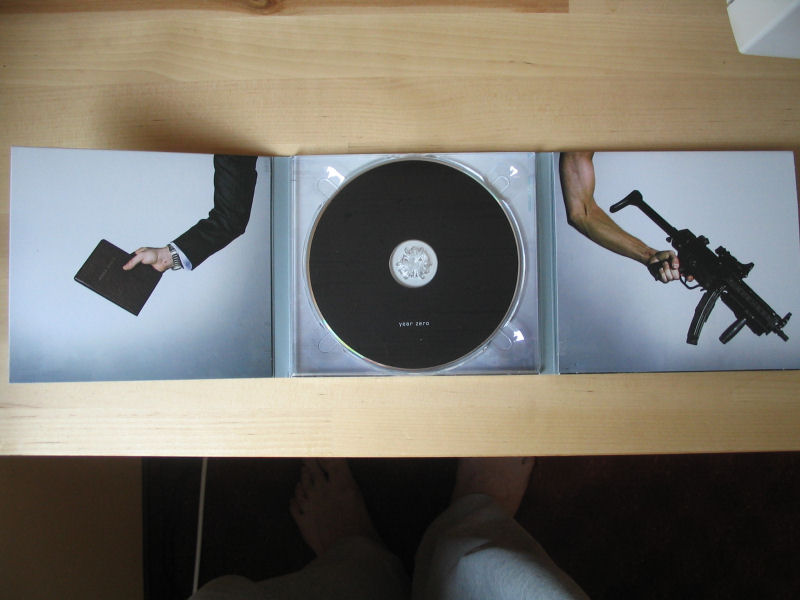
De VS, u weet wel, de grootste terreurentiteit op aarde, wordt altijd geleid met de bijbel in de ene en de automatische wapen in de andere hand. John J, Whitehead vroeg zich af, hoe Jezus (met hoofdletter: ja nu moet ik het toch echt over een persoon hebben) zou zijn ontvangen in de huidige VS en hoe men met hem en z’n ouders zou zijn omgegaan, ook in het verdere leven van deze bijbelse figuur…….
Wat mij betreft, is de VS al jaren een politiestaat, maar wat ik hier las, deden me de haren te berge rijzen………..
Hier een moderne kerstvertelling, met een ‘iets andere’ boodschap (onder het artikel kunt u klikken voor een ‘Dutch vertaling’, dat neemt wel wat tijd in beslag):
The
Radical Jesus: How Would the Baby in a Manger Fare in the American
Police State?
By
John W. Whitehead
“Jesus
is too much for us. The church’s later treatment of the gospels is
one long effort to rescue Jesus from ‘extremism.’”—author
Gary Wills, What
Jesus Meant
December
22, 2016 “Information
Clearing House”
– Jesus was good. He was caring. He had powerful, profound
things to say—things that would change how we view people, alter
government policies and change the world. He went around helping the
poor. And when confronted by those in authority, he did not shy away
from speaking truth to power.
Jesus
was born into a police state not unlike the growing menace of the
American police state.
But
what if Jesus, the revered preacher, teacher, radical and prophet,
had been born 2,000 years later? How would Jesus’ life have been
different had he be born and raised in the American police state?
Consider
the following if you will.
The
Christmas narrative of a baby born in a manger is a familiar one.
The
Roman Empire, a police state in its own right, had ordered that a
census be conducted. Joseph and his pregnant wife Mary traveled to
the little town of Bethlehem so that they could be counted. There
being no room for the couple at any of the inns, they stayed in a
stable, where Mary gave birth to a baby boy. That boy, Jesus, would
grow up to undermine the political and religious establishment of his
day and was eventually crucified as a warning to others not to
challenge the powers-that-be.
However,
had Jesus been born in the year 2016…
Rather
than traveling to Bethlehem for a census, Jesus’ parents would have
been mailed a 28-page American Community Survey, a mandatory
government questionnairedocumenting their habits, household
inhabitants, work schedule, how many toilets are in your home, etc.
The penalty
for not responding to this invasive survey can go as high as
$5,000.
Instead
of being born in a manger, Jesus might have been born at home. Rather
than wise men and shepherds bringing gifts, however, the baby’s
parents might have been forced to ward off visits from state social
workers intent on prosecuting them for the home birth. One couple
in Washington had all three of their children removed after social
services objected to the two youngest being birthed in an unassisted
home delivery.
Then
again, had his parents been undocumented immigrants, they and the
newborn baby might have been shuffled to a profit-driven,
private prison for illegals where they would have been
turned into cheap, forced laborers for corporations such as
Starbucks, Microsoft, Walmart, and Victoria’s Secret. There’s
quite a lot of money
to be made from imprisoning immigrants, especially when taxpayers
are footing the bill.
From
the time he was old enough to attend school, Jesus would have been
drilled in lessons of compliance and obedience to government
authorities, while learning little about his own rights. Had he been
daring enough to speak out against injustice while still in school,
he might have found himself tasered or beaten by a school resource
officer, or at the very least suspended under a school
zero tolerance policy that punishes minor infractions as
harshly as more serious offenses.
Had
Jesus disappeared for a few hours let alone days as a 12-year-old,
his parents would have been handcuffed,
arrested and jailed for parental negligence. Parents across the
country have been arrested for far less “offenses” such as
allowing their children to walk to the park unaccompanied and play in
their front yard alone.
Rather
than disappearing from the history books from his early teenaged
years to adulthood, Jesus’ movements and personal data—including
his biometrics—would have been documented, tracked, monitored and
filed by governmental agencies and corporations such as Google and
Microsoft. Incredibly, 95
percent of school districts share their student records with outside
companies that are contracted to manage data, which they
then use to market products to us.
Jesus’
anti-government views would certainly have resulted in him being
labeled a domestic extremist. Law enforcement agencies are being
trained to recognize signs of anti-government extremism during
interactions with potential extremists who share a “belief
in the approaching collapse of government and the economy.”
While
traveling from community to community, Jesus might have been reported
to government officials as “suspicious” under the Department of
Homeland Security’s “See Something, Say Something” programs.
Many states, including New York, are providing individuals with phone
apps that allow them to take photos of suspicious activity and report
them to their state Intelligence Center, where they are
reviewed and forwarded to law-enforcement agencies.
Viewed
by the government as a dissident and potential threat to its power,
Jesus might have had government spies planted among his followers to
monitor his activities, report on his movements, and entrap
him into breaking the law. Such Judases today—called
informants—often receive hefty paychecks from the government for
their treachery.
Had
Jesus used the internet to spread his radical message of peace and
love, he might have found his blog posts infiltrated
by government spies attempting to undermine his integrity,
discredit him or plant incriminating information online about him. At
the very least, he would have had his website hacked and his email
monitored.
Had
Jesus attempted to feed large crowds of people, he would have been
threatened with arrest for violating various ordinances prohibiting
the distribution of food without a permit. Florida officials arrested
a 90-year-old man for feeding the homeless on a public
beach.
Had
Jesus spoken publicly about his 40 days in the desert and his
conversations with the devil, he might have been labeled mentally ill
and detained in a psych ward against his will for a mandatory
involuntary psychiatric hold with no access to family or friends. One
Virginia man was arrested, strip searched, handcuffed to a table,
diagnosed as having “mental health issues,” and locked
up for five days in a mental health facility against his
will apparently because of his slurred speech and unsteady
gait.
Without
a doubt, had Jesus attempted to overturn tables in a Jewish temple
and rage against the materialism of religious institutions, he would
have been charged with a hate crime. Currently, 45
states and the federal government have hate crime laws on
the books.
Rather
than having armed guards capture Jesus in a public place, government
officials would have ordered that a SWAT team carry out a raid on
Jesus and his followers, complete with flash-bang grenades and
military equipment. There are upwards
of 80,000 such SWAT team raids carried out every year, many on
unsuspecting Americans who have no defense against such government
invaders, even when such raids are done in error.
Instead
of being detained by Roman guards, Jesus might have been made to
“disappear” into a secret government detention center where he
would have been interrogated, tortured and subjected to all manner of
abuses. Chicago
police “disappeared” more than 7,000 people into a
secret, off-the-books interrogation warehouse at Homan Square.
Either
way, whether Jesus had been born in our modern age or his own, he
still would have died at the hands of a police state. Indeed, as I
show in my book Battlefield
America: The War on the American People,
what Jesus and other activists suffered in their day is happening to
those who choose to speak truth to power today.
Thus,
we are faced with a choice: remain silent in the face of evil or
speak out against it. As Nobel Prize-winning author Albert Camus
proclaimed:
Perhaps
we cannot prevent this world from being a world in which children are
tortured. But we can reduce the number of tortured children. And if
you don’t help us, who else in the world can help us do this?
Klik voor meer berichten n.a.v. het bovenstaande, op één van de labels, die u onder dit bericht terug kan vinden.
Een afbeelding van het album ‘Year Zero’ van Nine Inch Nales, ‘niet echt’ een kerstalbum, maar wel een geweldig album. (excuus voor de vervelende reclame in het begin, die kunt u na een paar seconden overslaan)
Al een aantal weken hoor je de uiterst irritante reclame voor ‘The How To Get There Summit’. Vrij vertaald: hoe je ‘er’ komt met innovatie…….
Deze reclames worden deels ingesproken door ‘bekende Nederlanders’, zo is er één die door Constantijn van Oranje wordt ingesproken…… Trouwens die achternaam is een valse achternaam, daar deze grofgraaier geen DNA bezit van de echte Oranjes, zoals zijn hele familie die niet bezit, inclusief uw ‘koning’ (ha! ha! ha! ‘koning’, alsof we nog in de middeleeuwen leven)…….
De Oranjes hebben geen moeite met ‘how to get there’: na de geboorte is een welgesteld leven al gegarandeerd……
Laten we eindelijk eens een echte innovatie doorvoeren in dit land en het hele belastingvretend muizennest ‘van Oranje’ over de grens zetten, nogmaals het is 2016, niet 1516!!